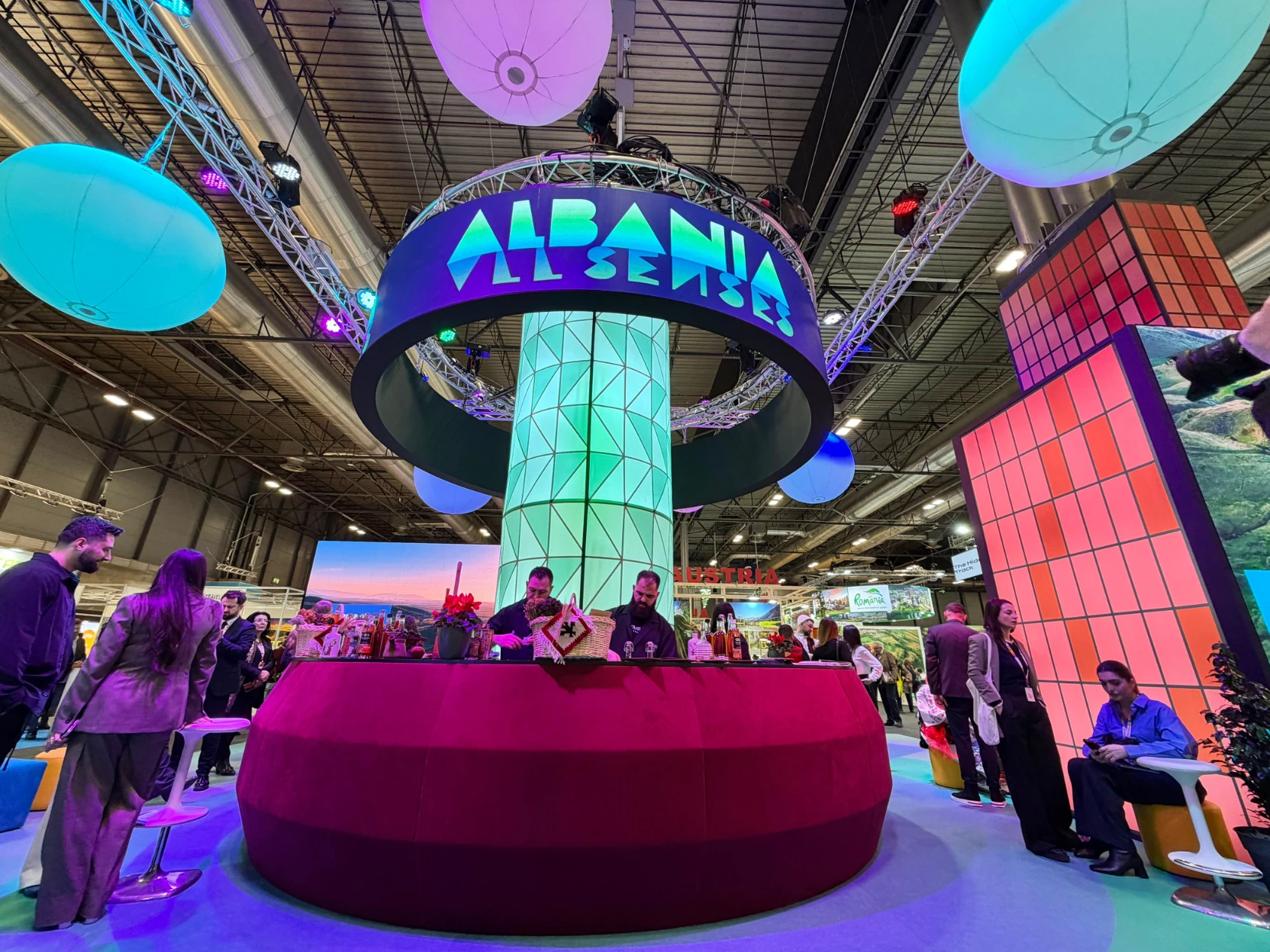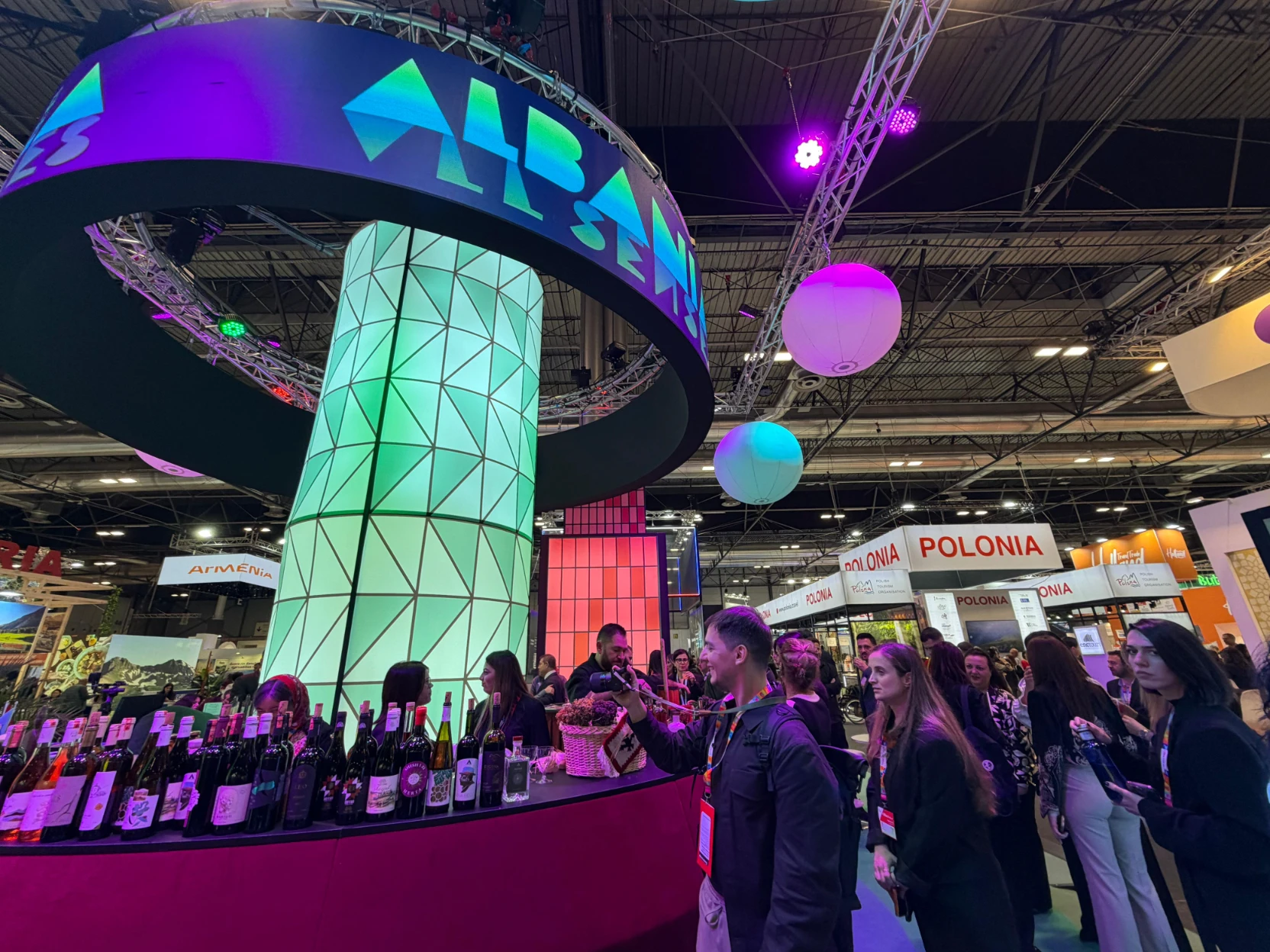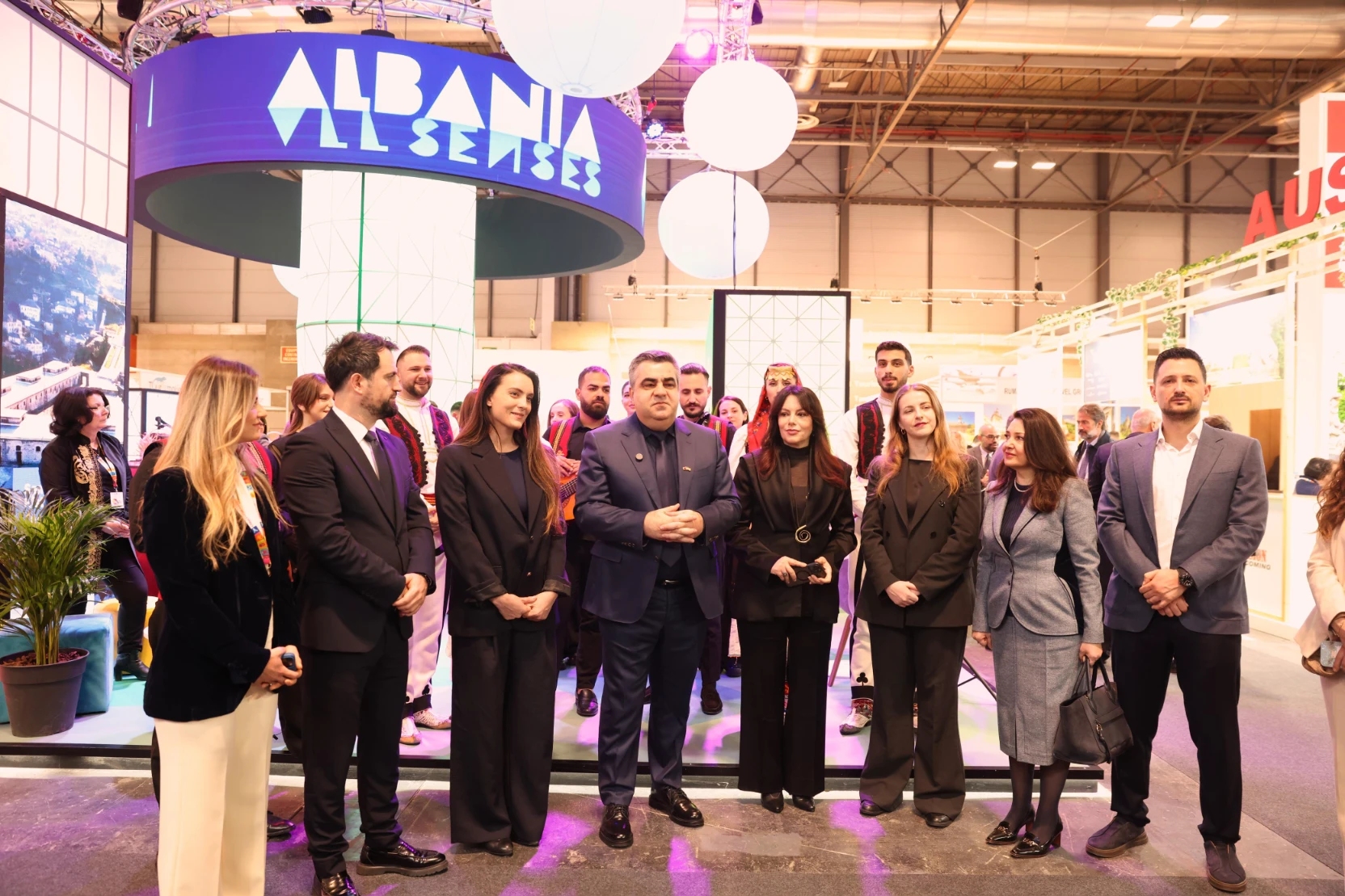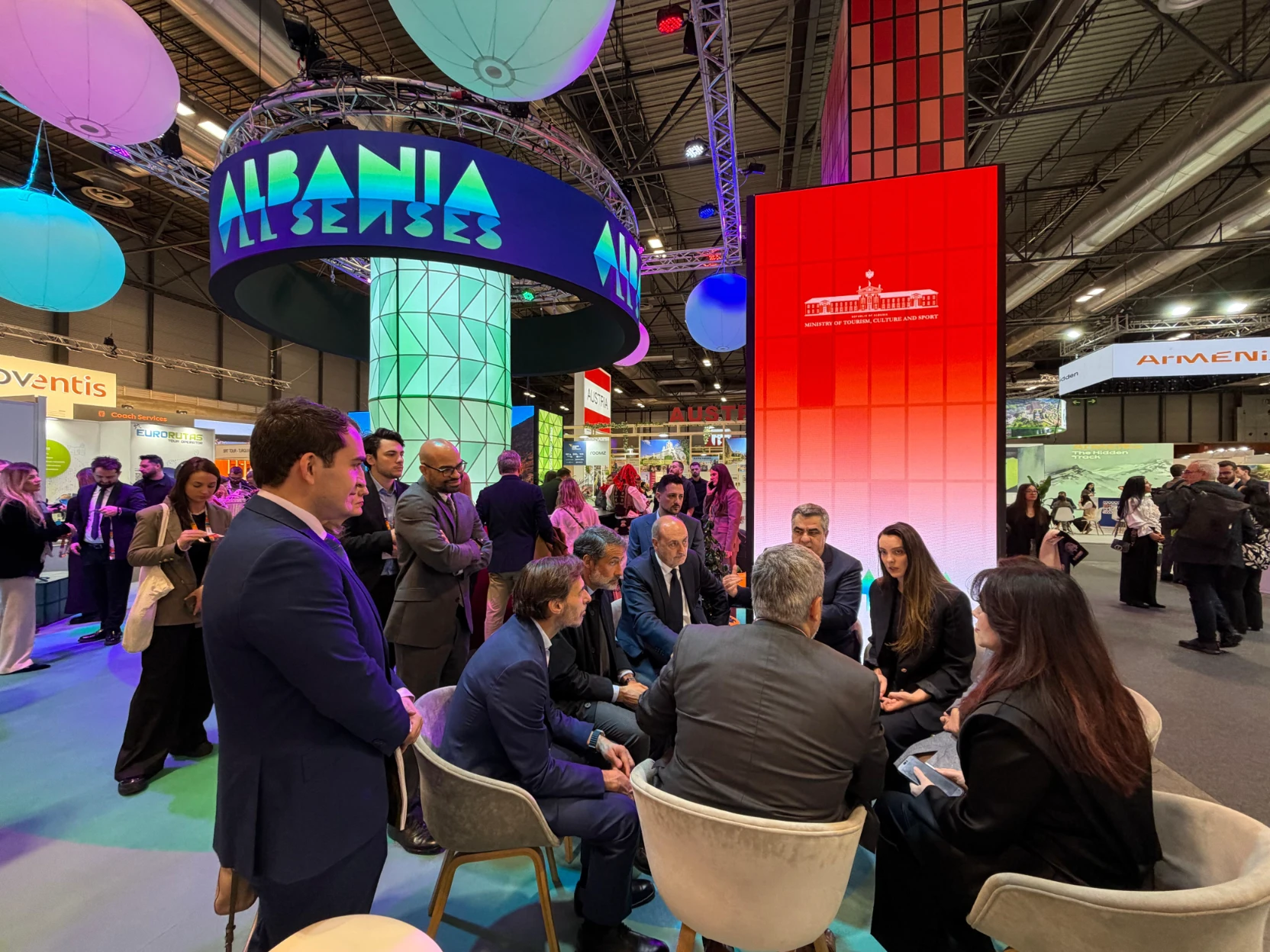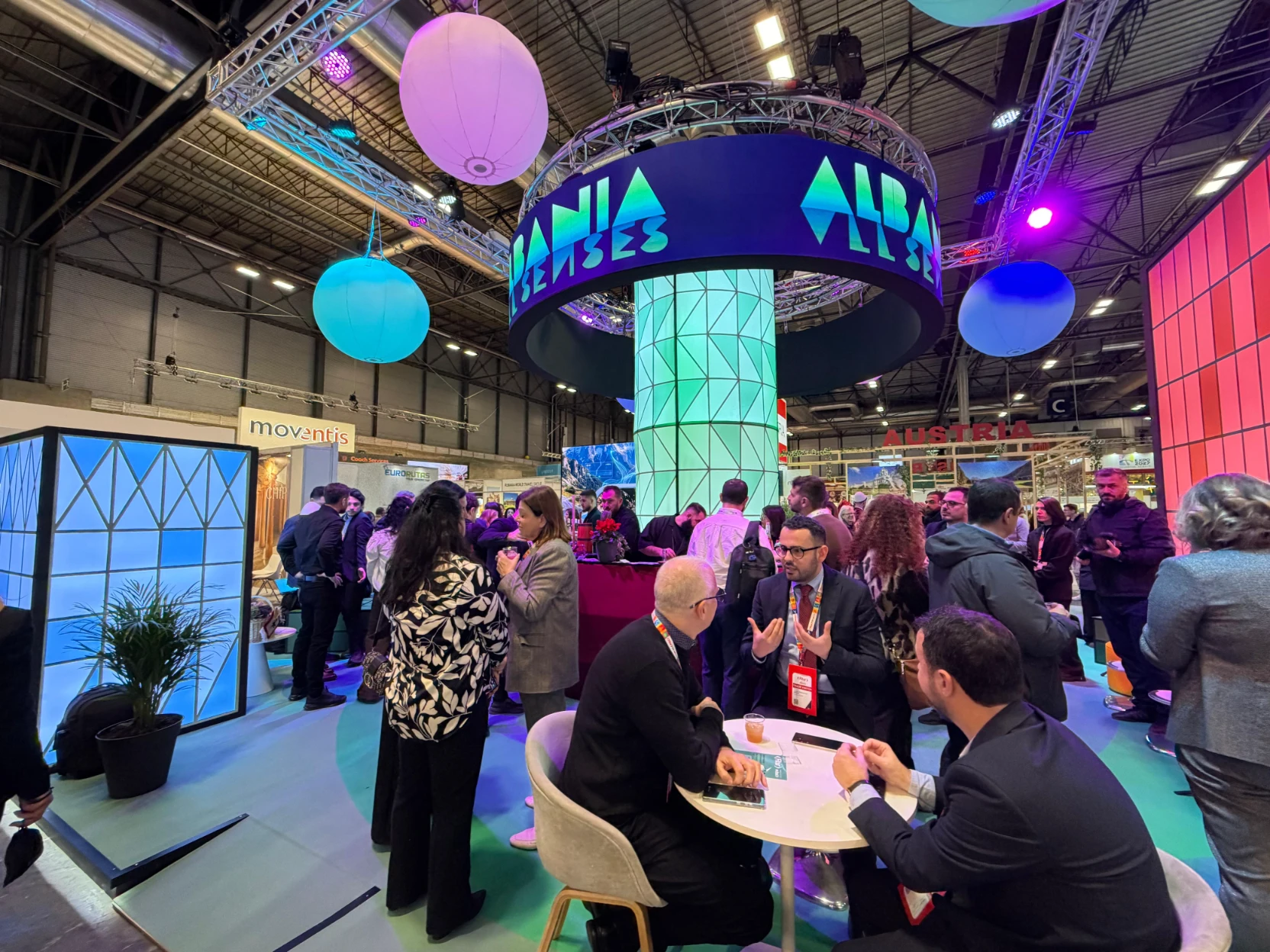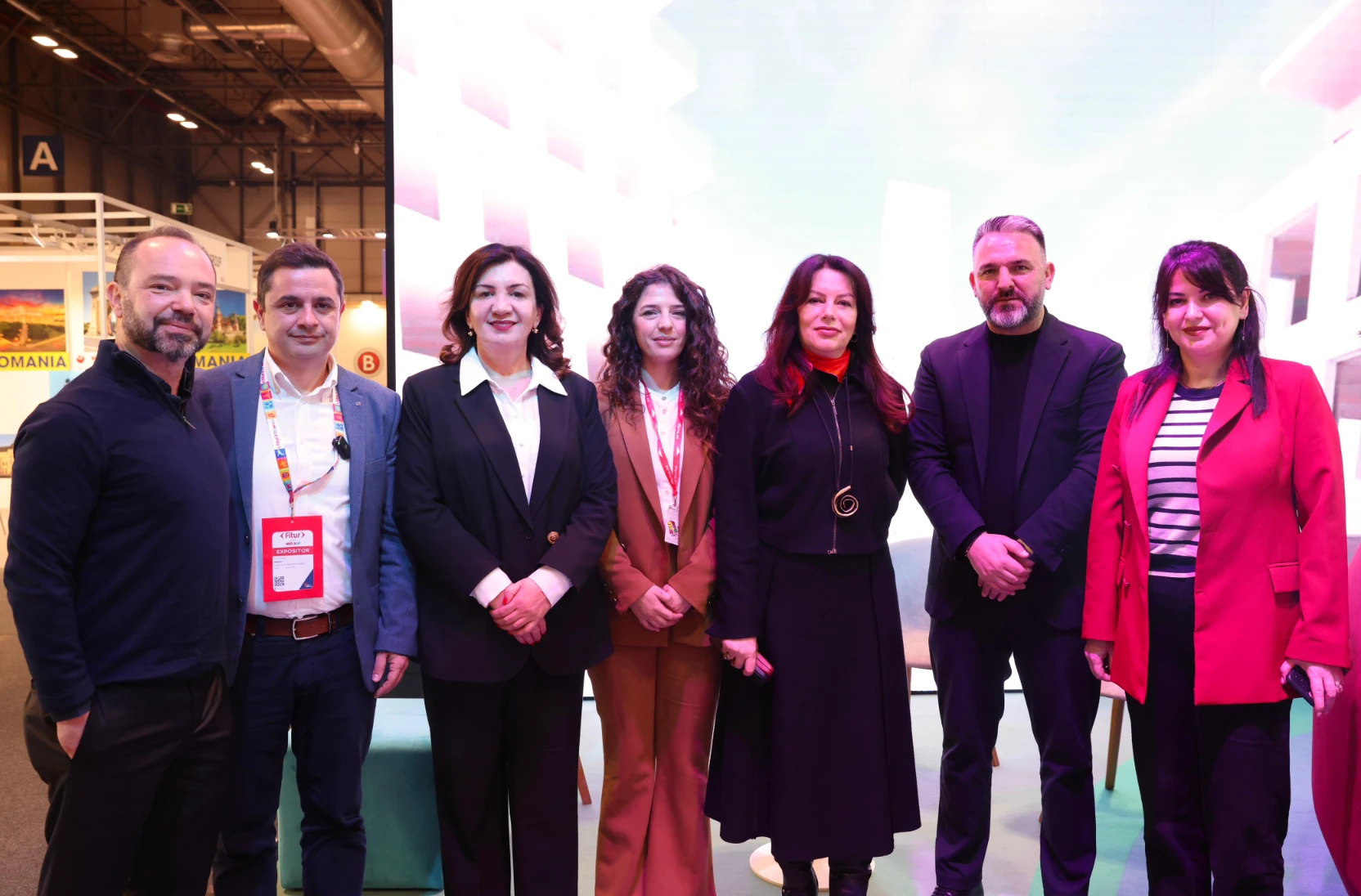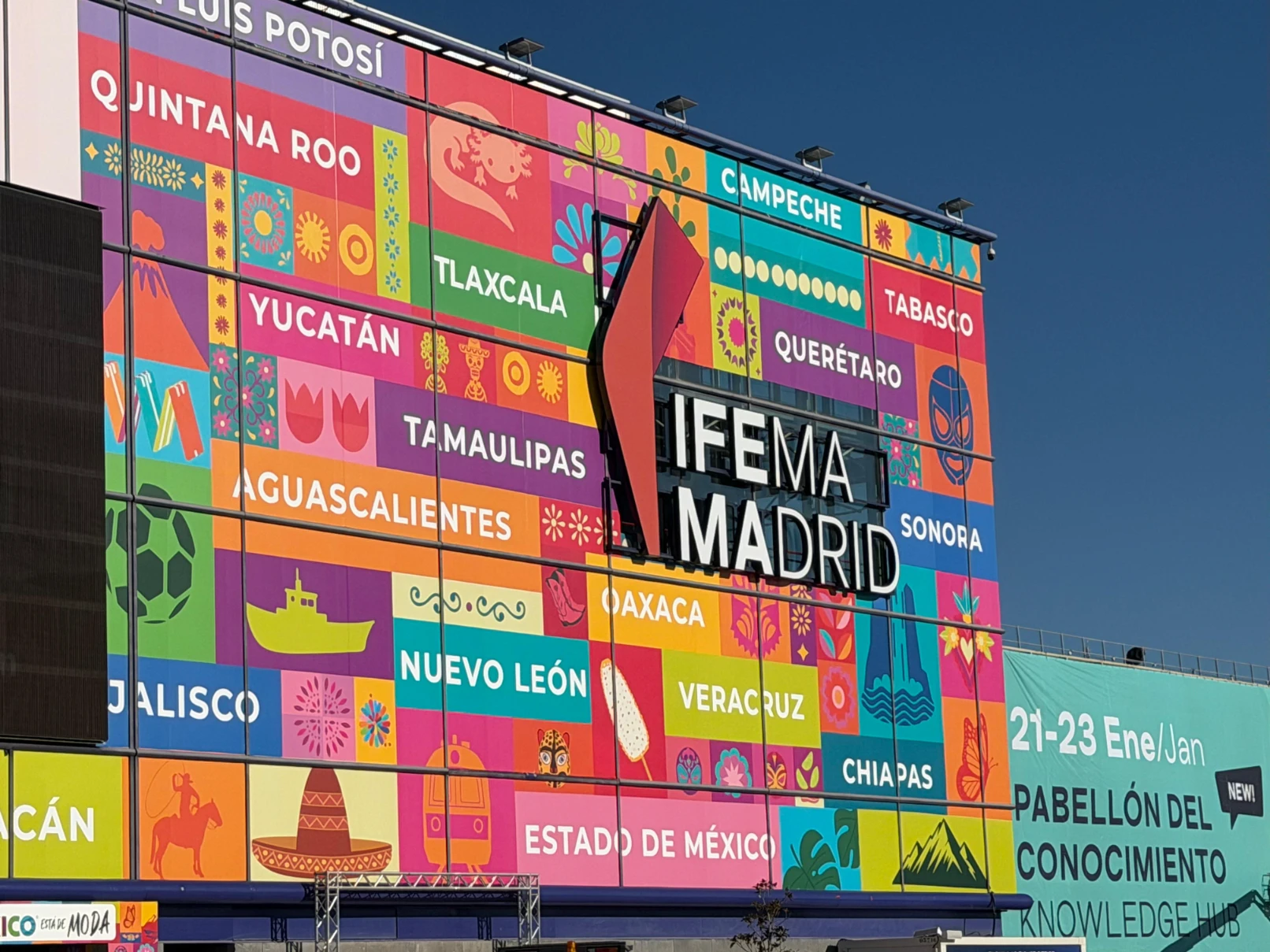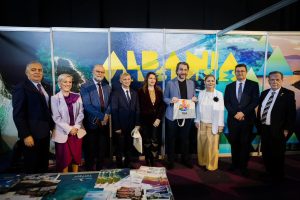
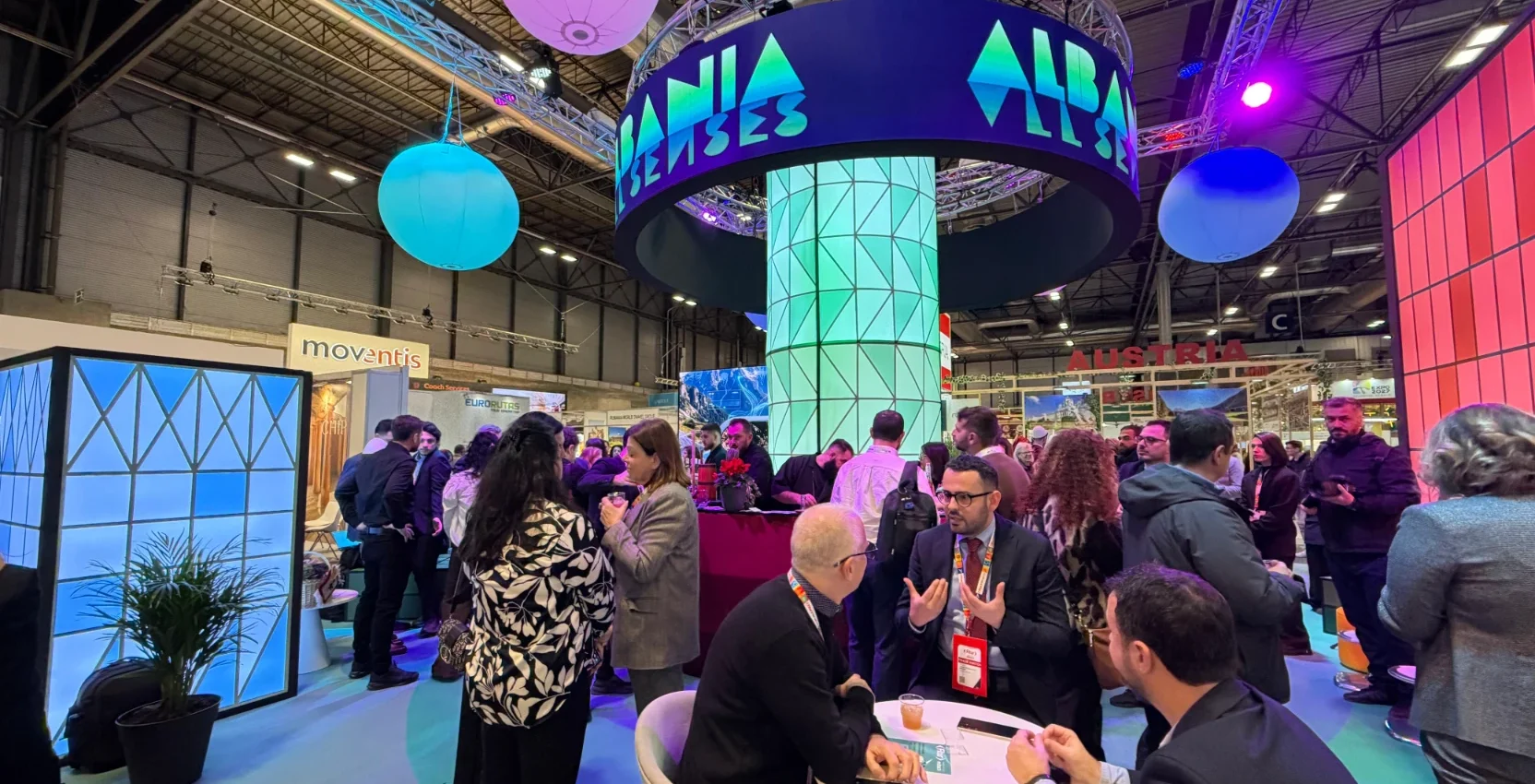
Shqipëria u prezantua me vizion në Panairin Ndërkombëtar të Turizmit FITUR 2026 në Madrid, një nga ngjarjet më të rëndësishme globale të industrisë së udhëtimeve, që mbledh mbi 160 vende dhe më shumë se 10 mijë kompani nga e gjithë bota. Nën moton “Albania All Senses”, vendi ynë u rikthye me një stendë moderne dhe gjithëpërfshirëse, duke ofruar një përvojë që përfshin emocionin, shijen, traditën dhe inovacionin.
Gjatë datave 21–25 janar 2026, Shqipëria promovoi pozicionin e saj si një destinacion gjithëvjetor, autentik dhe i qëndrueshëm, duke prezantuar diversitetin e saj natyror dhe kulturor përpara publikut ndërkombëtar dhe profesionistëve të turizmit, veçanërisht nga tregu spanjoll.
Një përvojë që përjetohet me të gjitha shqisat
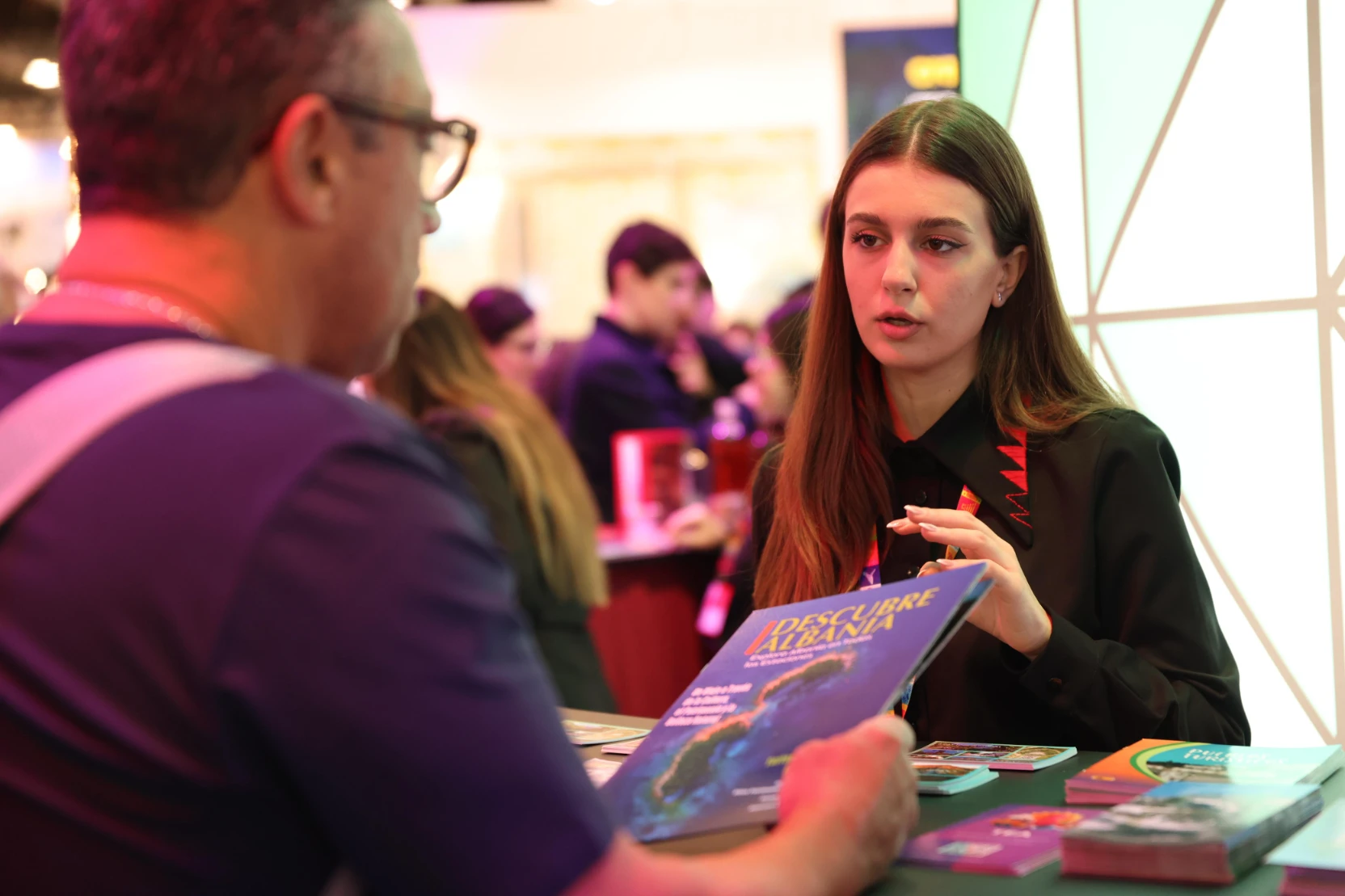
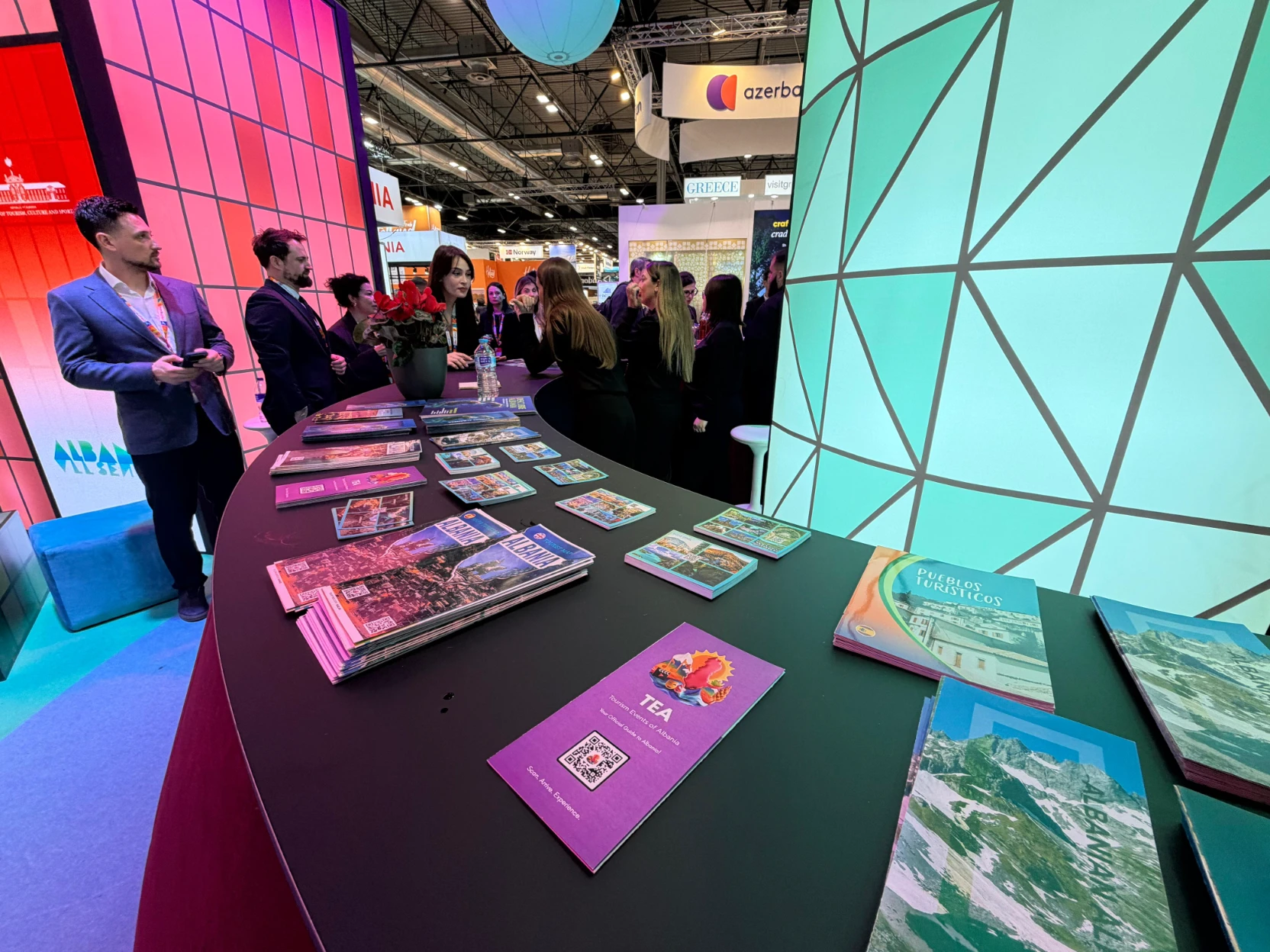
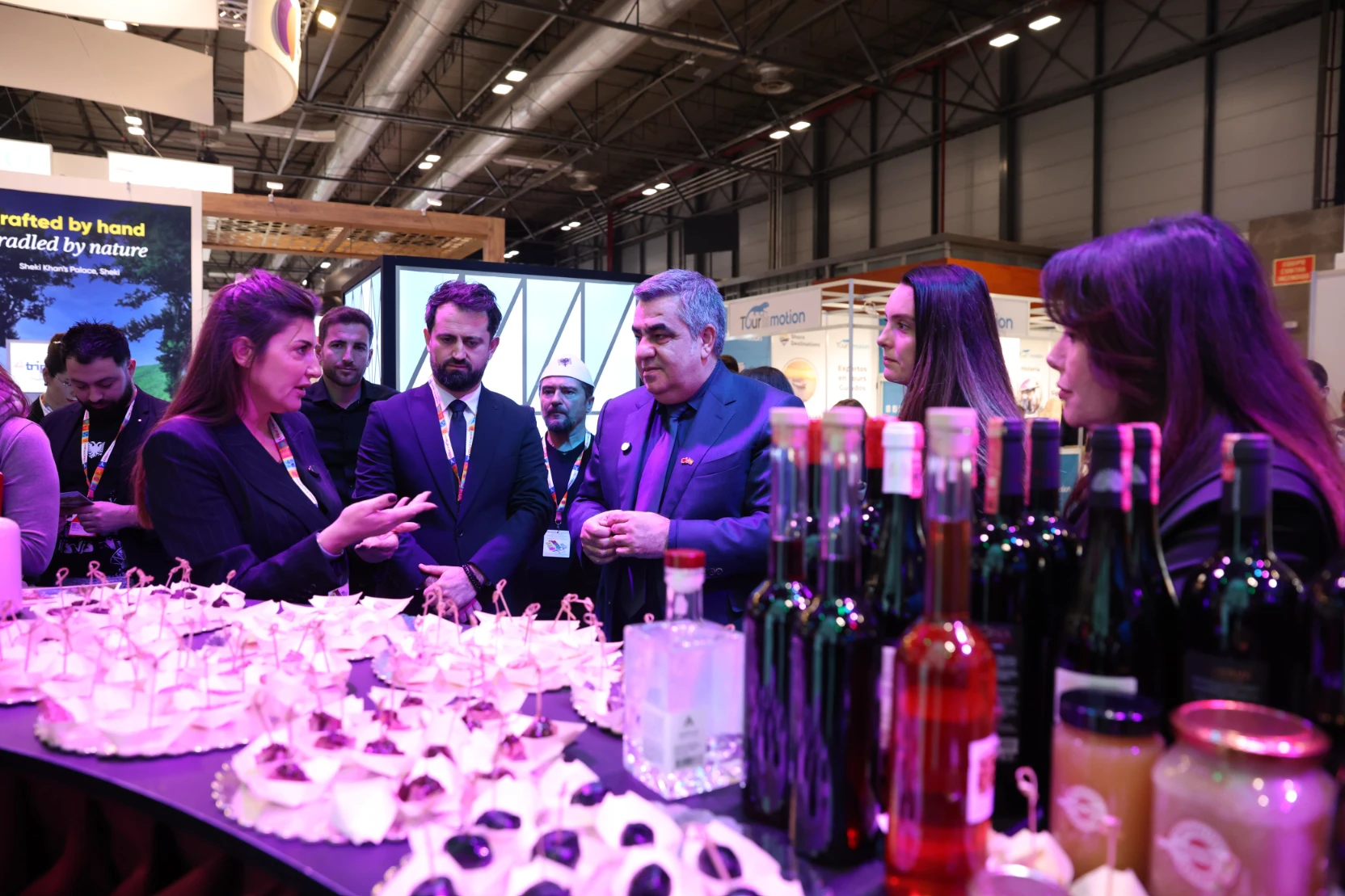
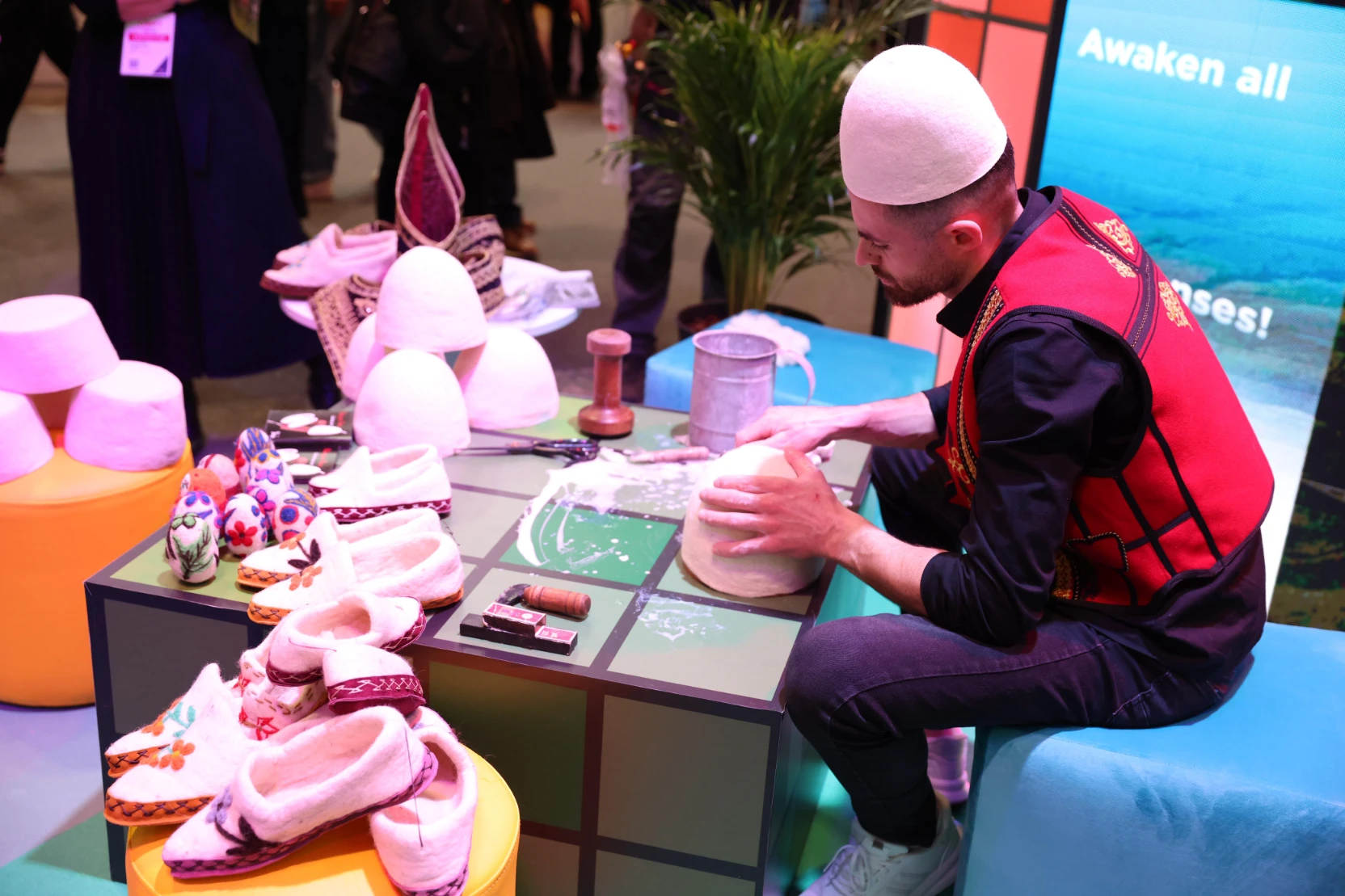
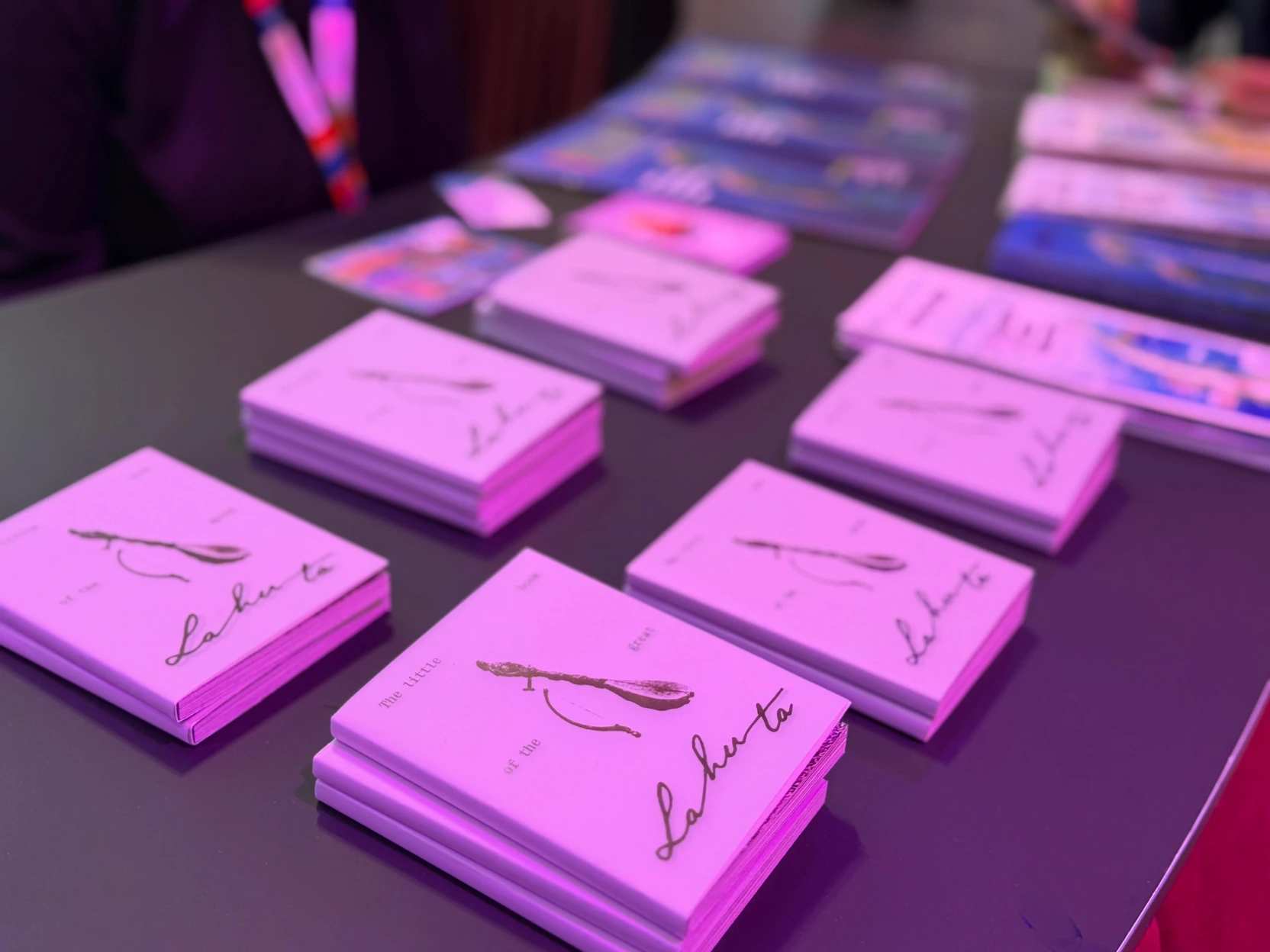
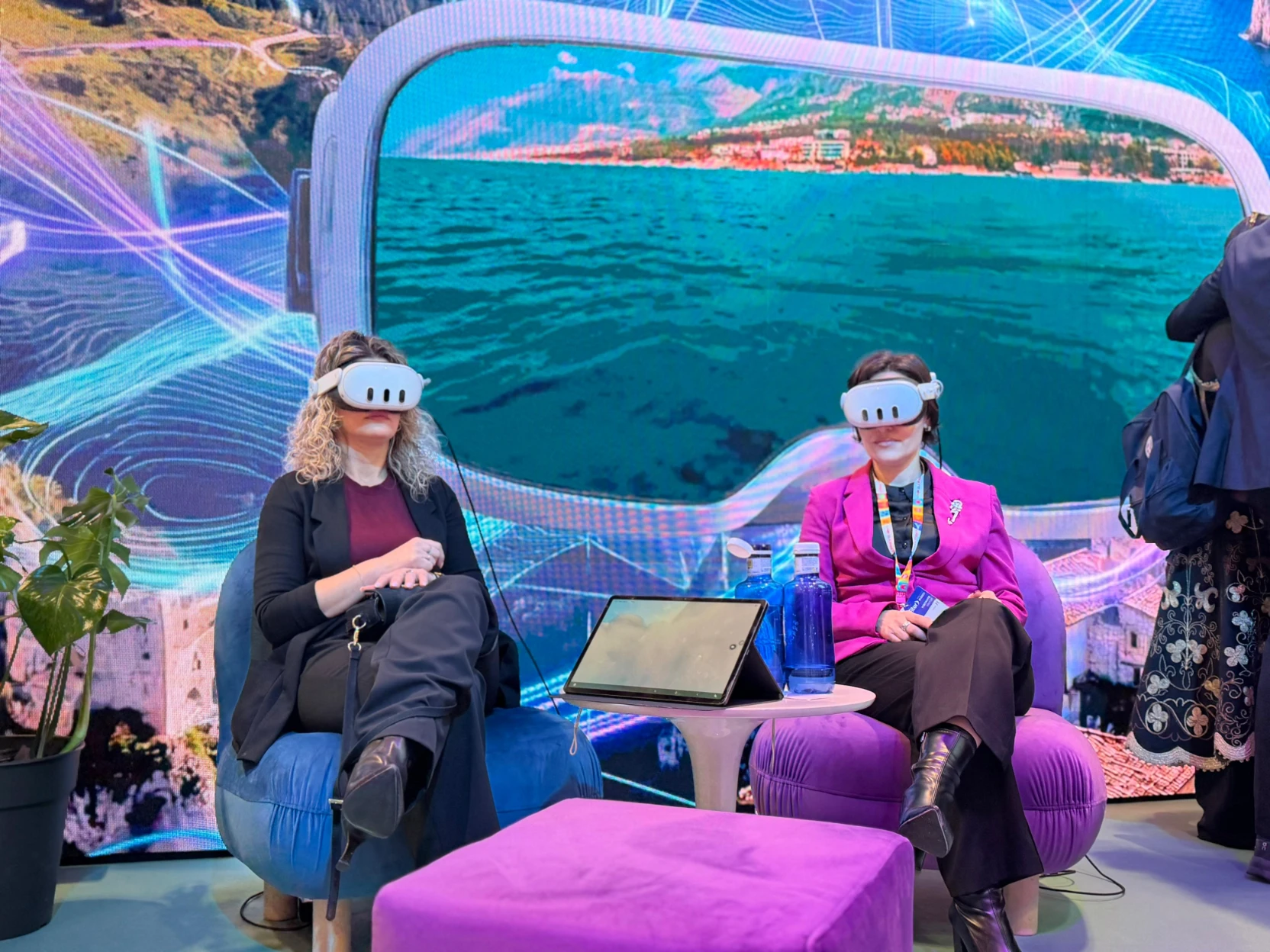
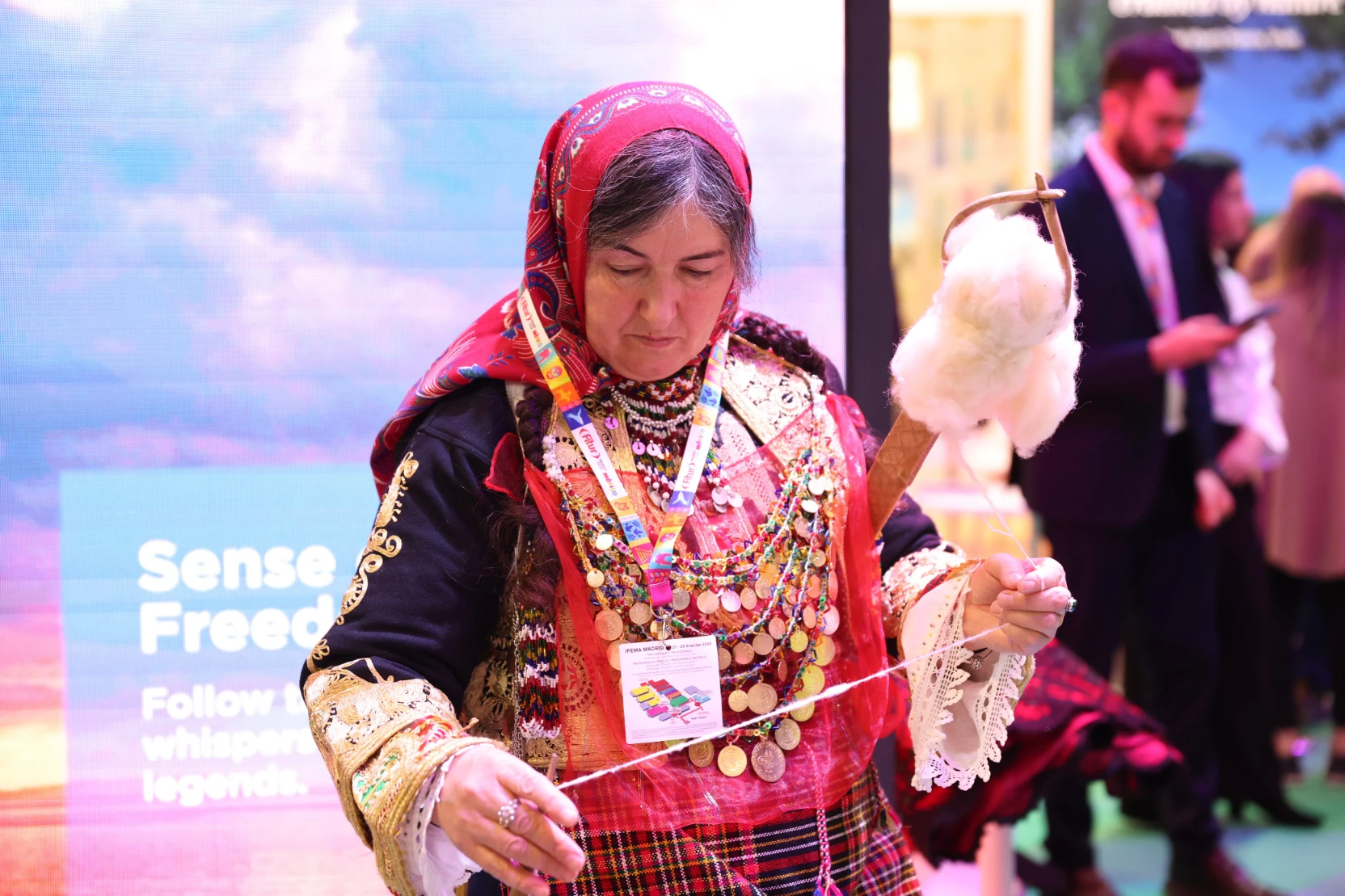
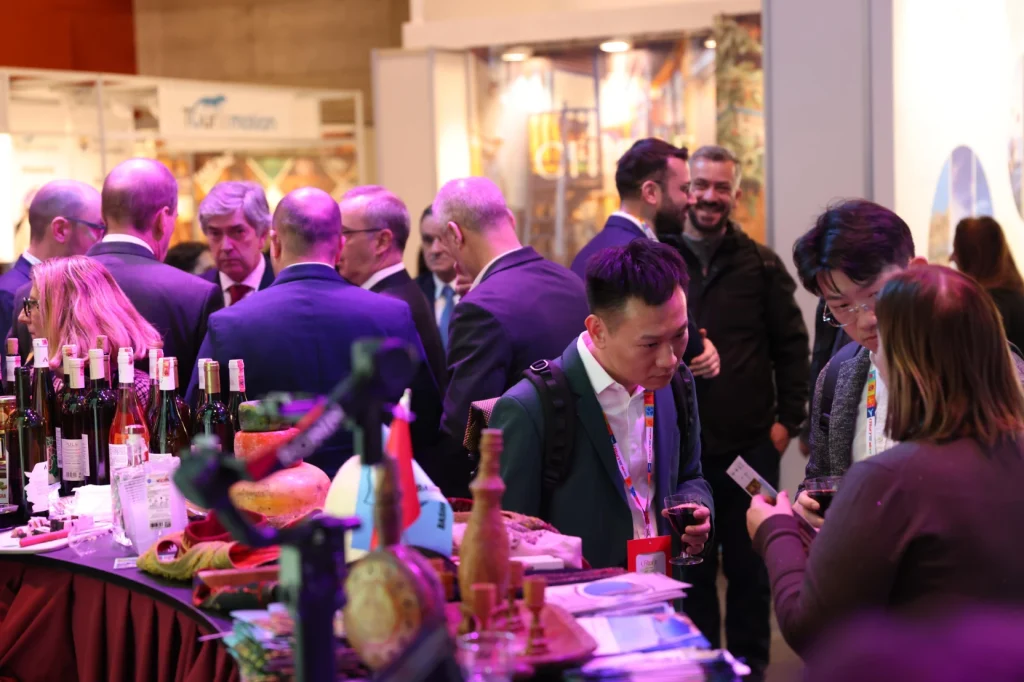
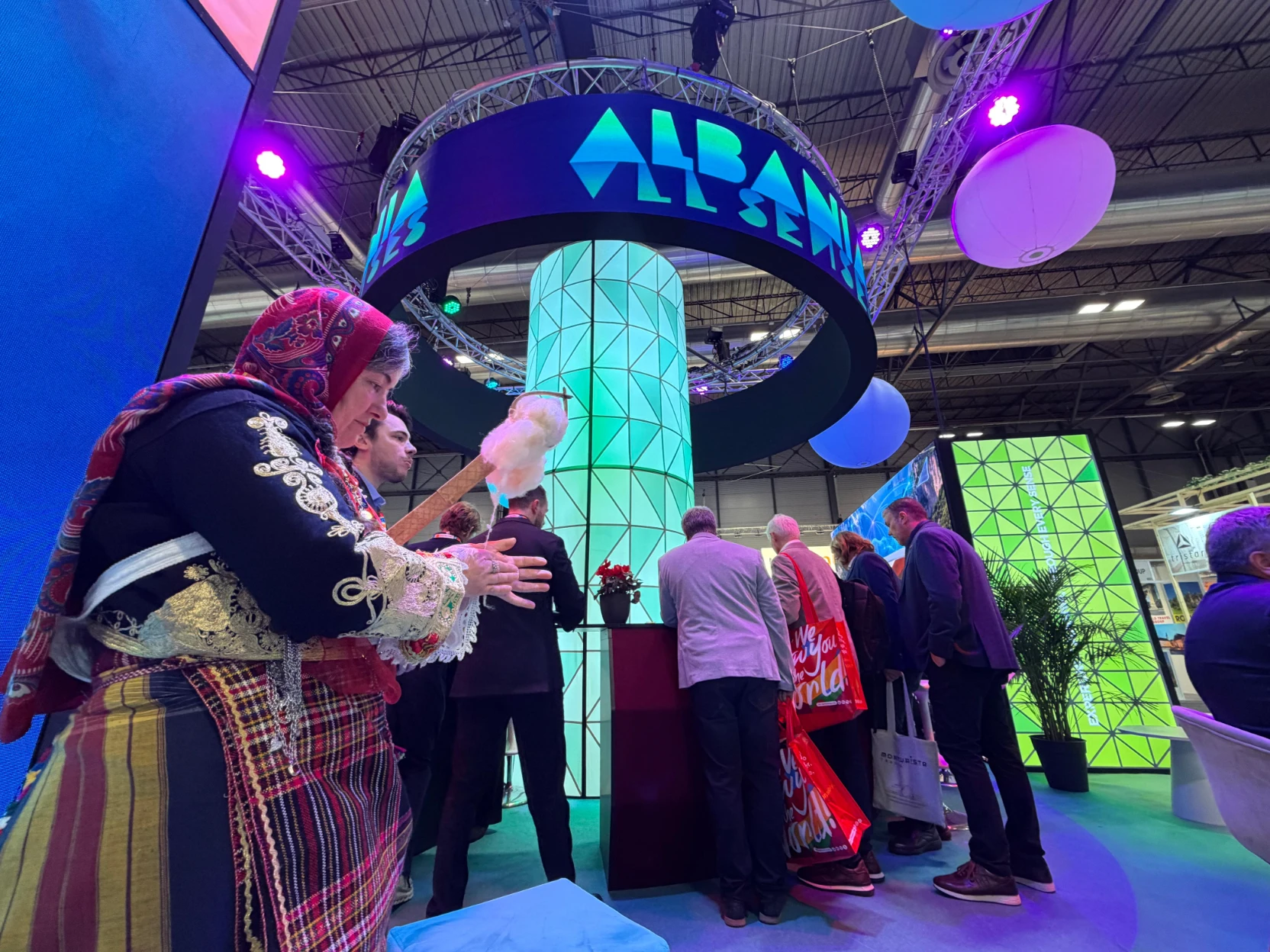
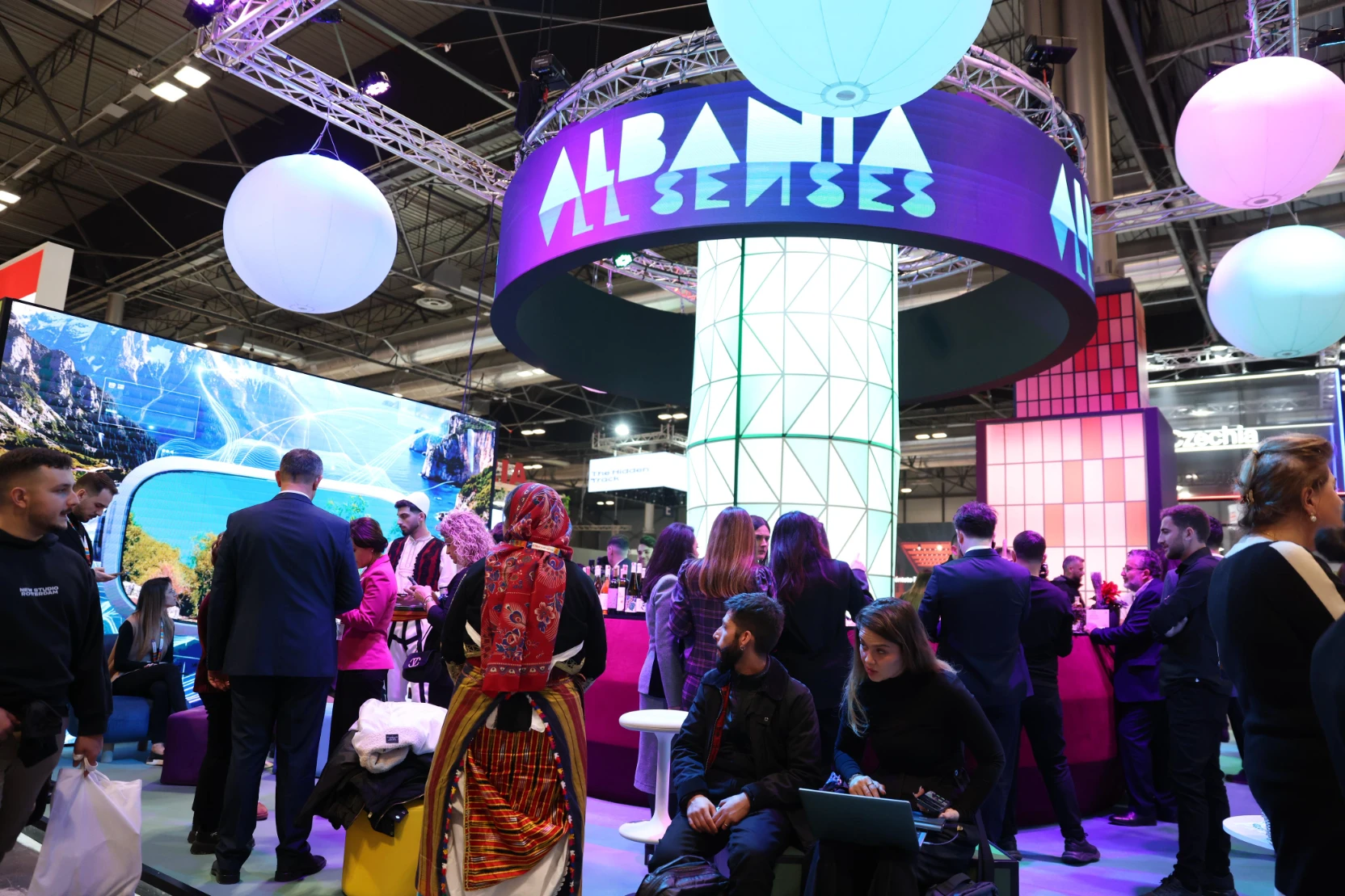
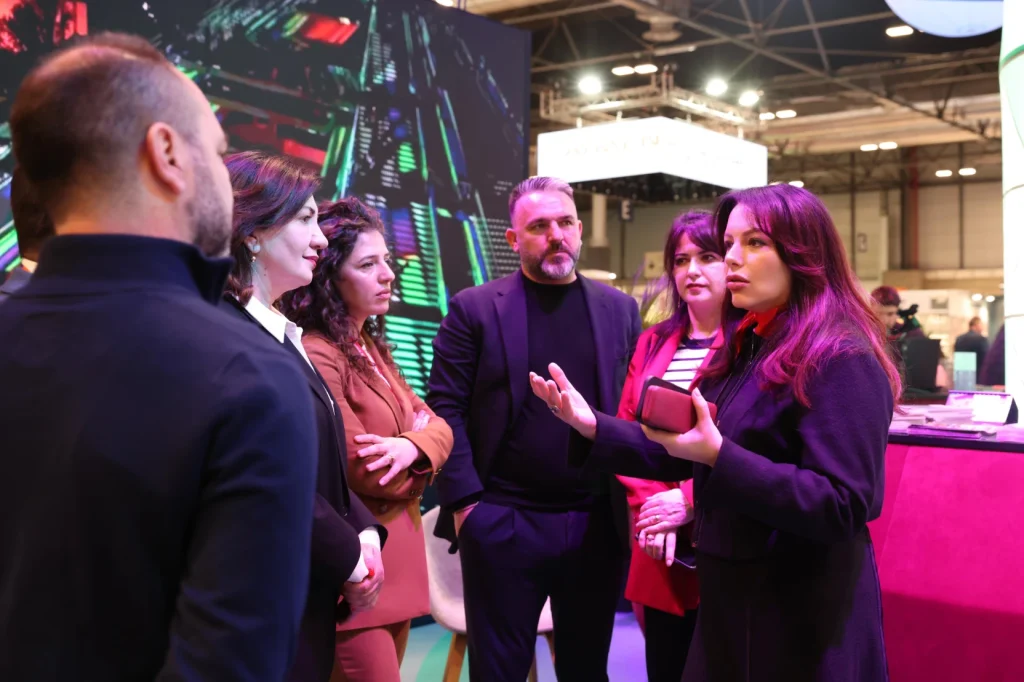
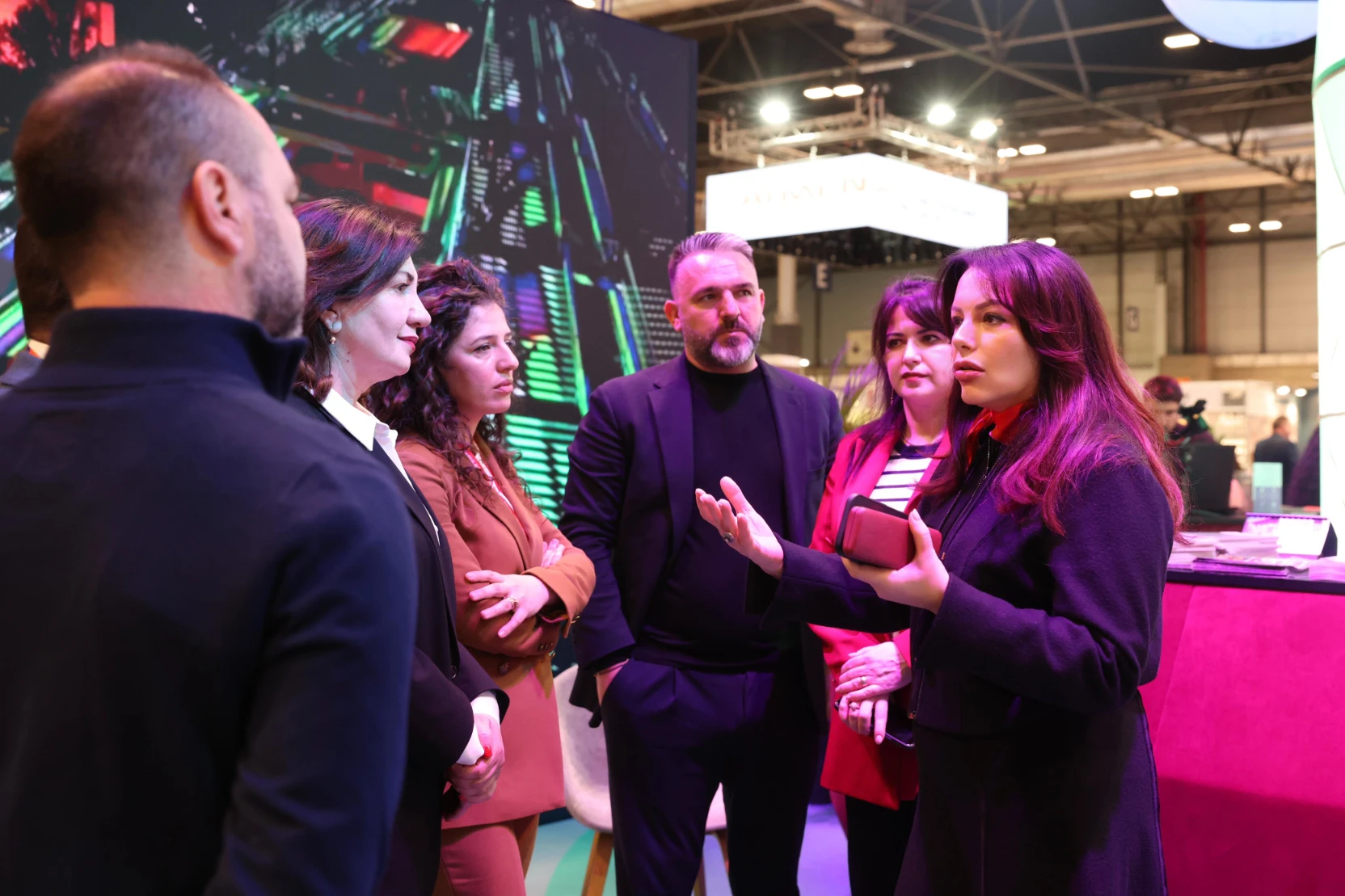
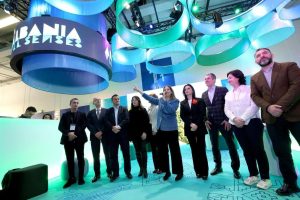
Stenda shqiptare u kthye në një pikë referimi në pavionin e Evropës nëe panair, duke tërhequr interes të jashtëzakonshëm falë përvojave interaktive si realiteti virtual, degustimet e produkteve tradicionale, performancat live, punimet artizanale dhe mikpritja karakteristike shqiptare. Vizitorët patën mundësinë të zbulojnë Shqipërinë përmes aromave, shijeve, tingujve dhe historive që e bëjnë vendin tonë unik.
Kjo qasje gjithëpërfshirëse forcoi perceptimin e Shqipërisë si një destinacion gjithëvjetor.
Diskutime strategjike për turizmin e së ardhmes
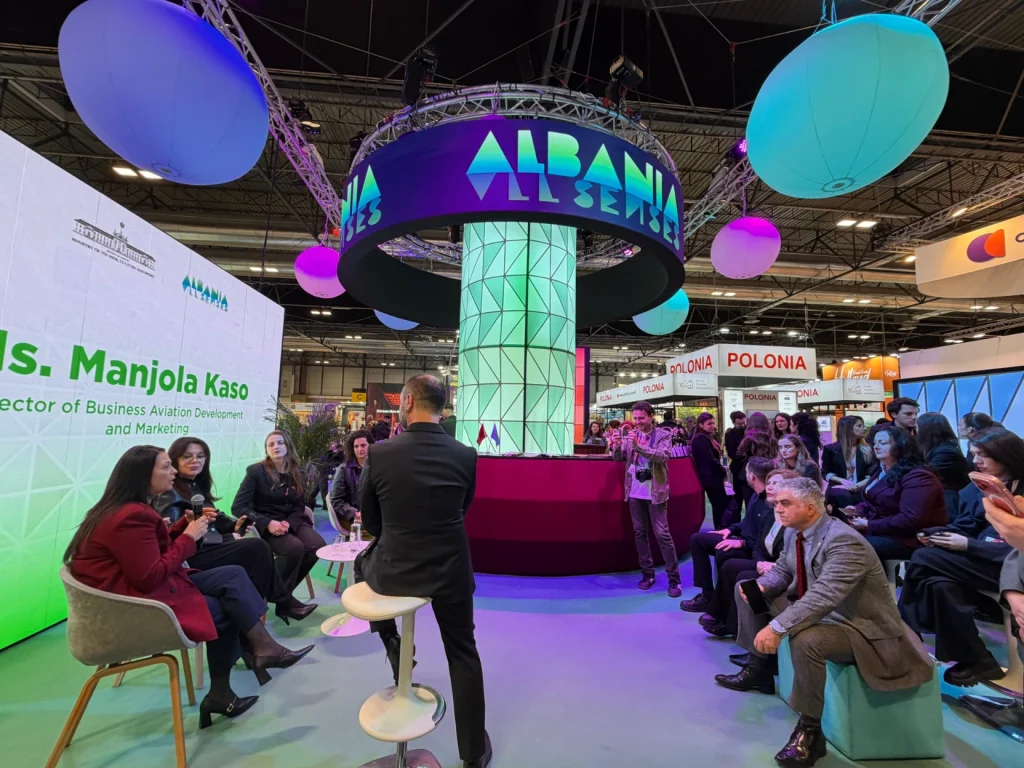
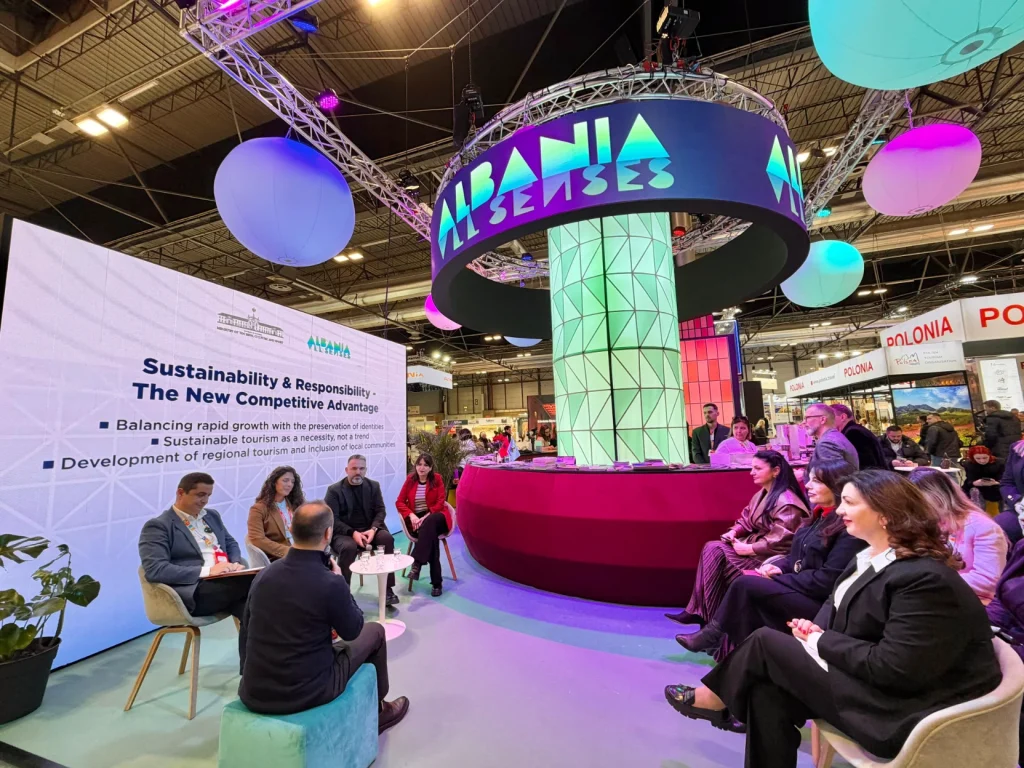
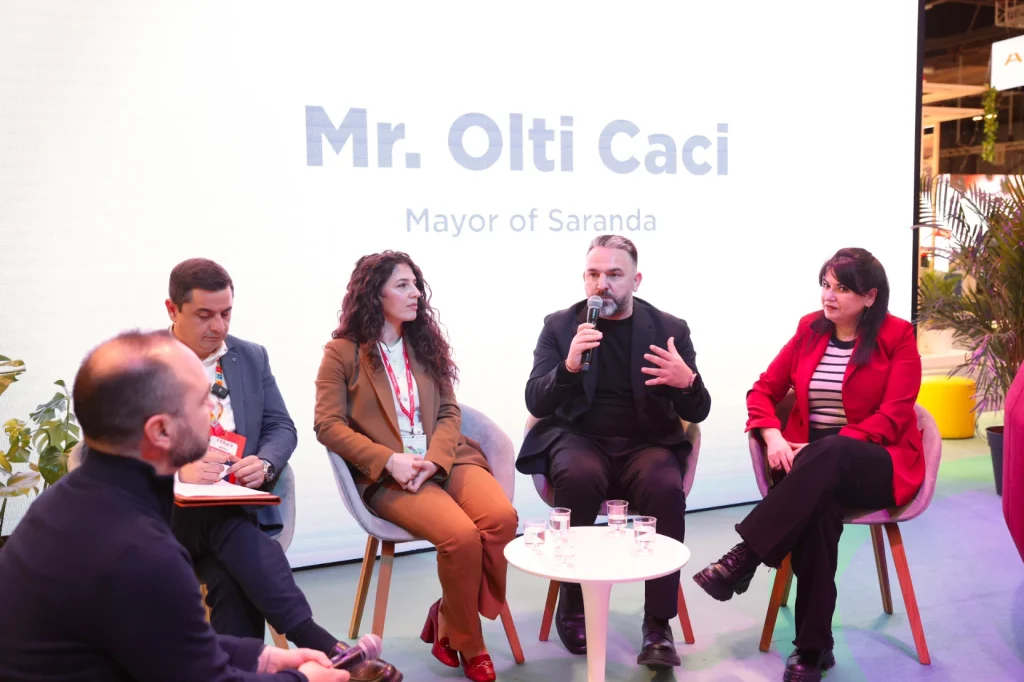
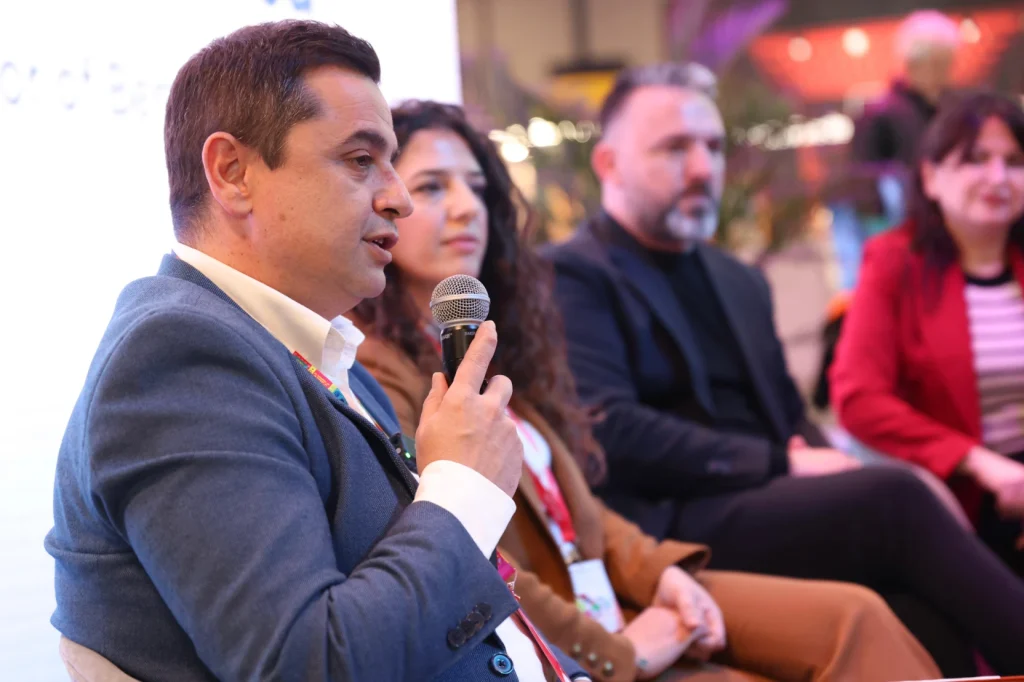
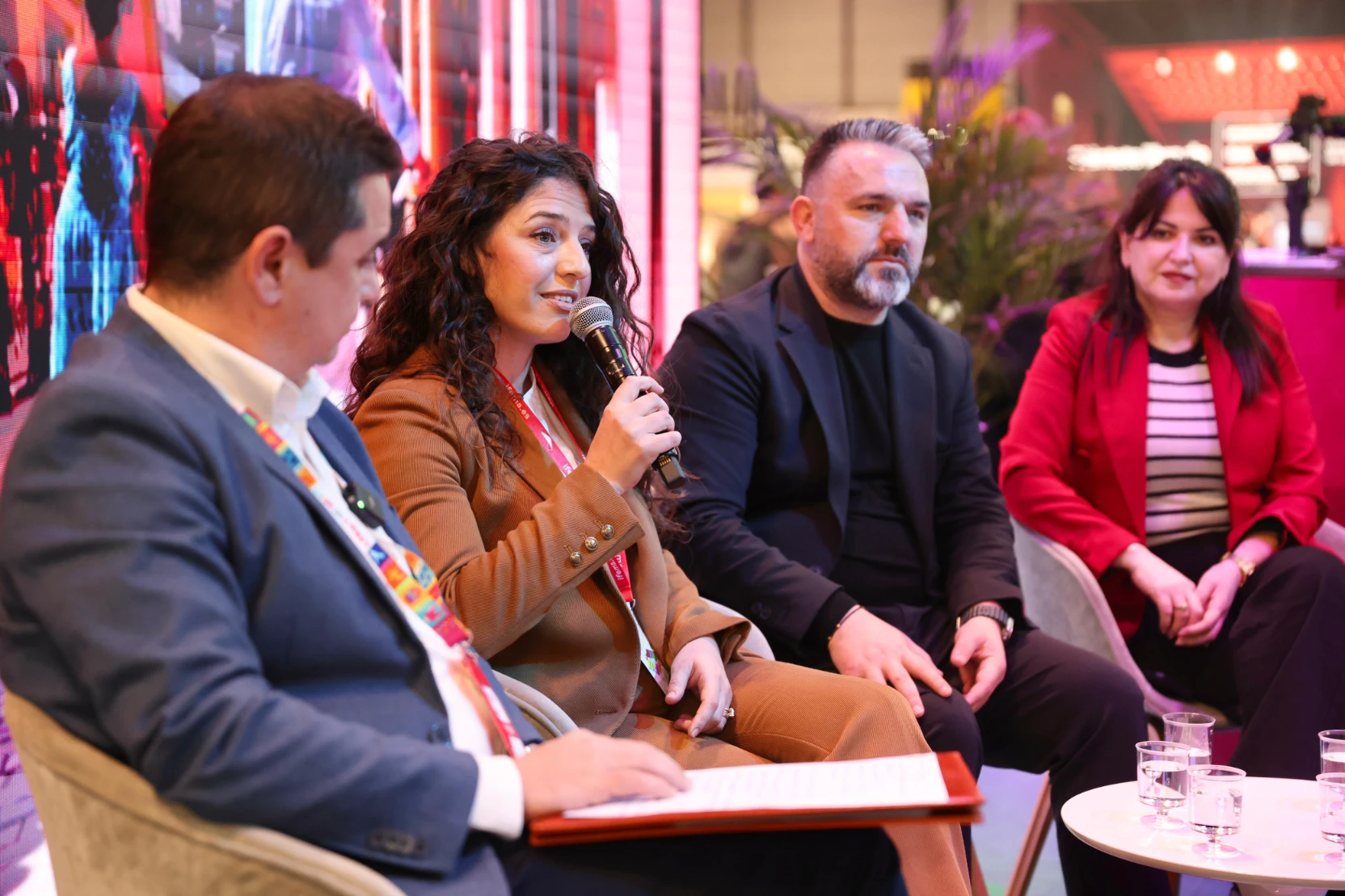
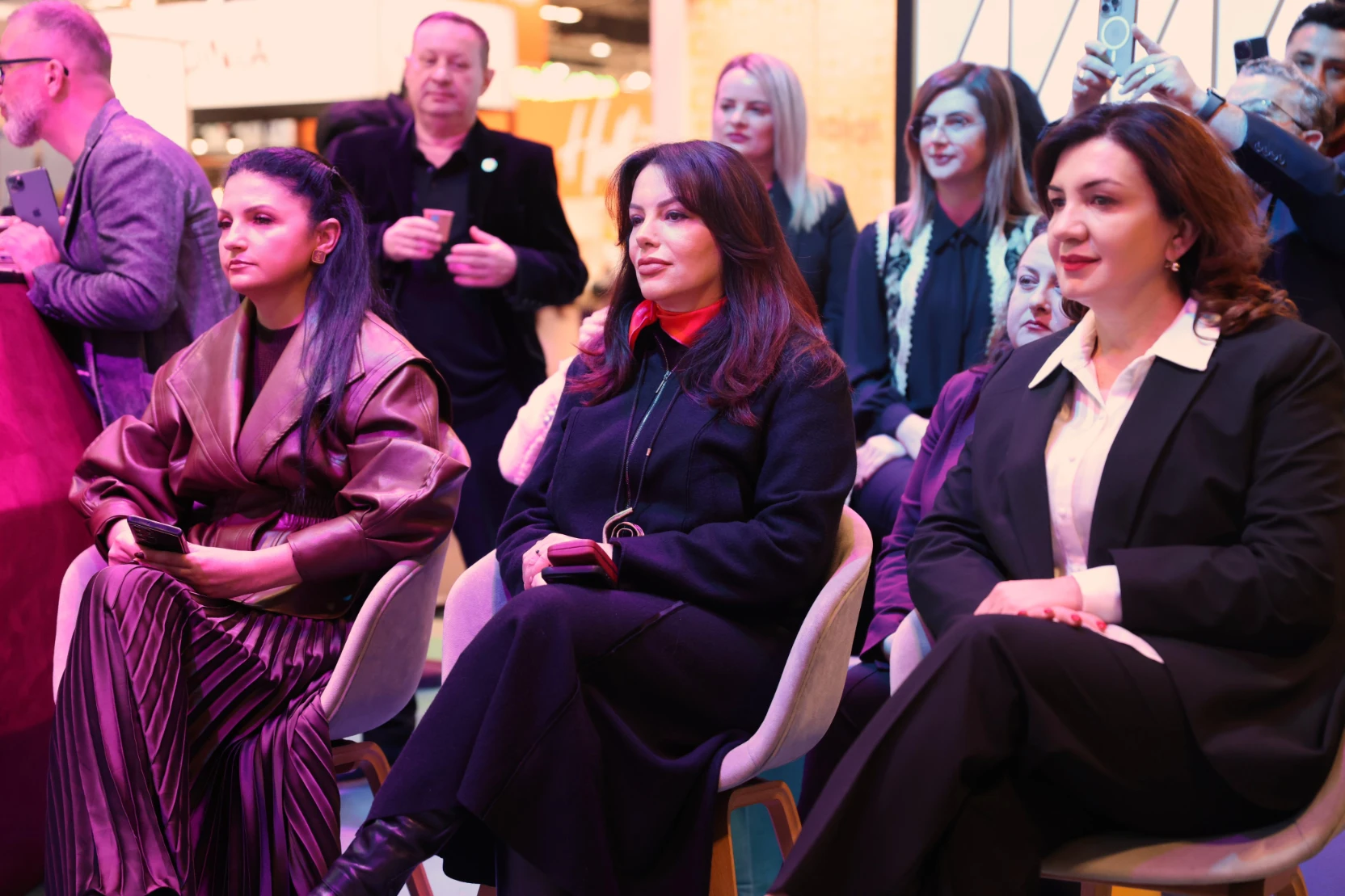
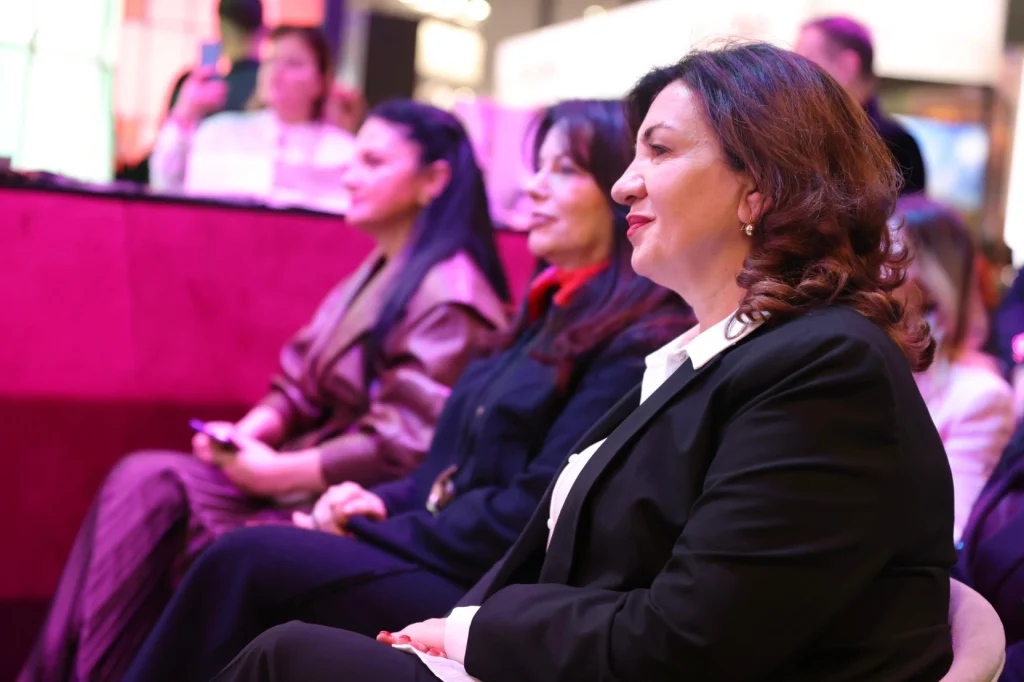
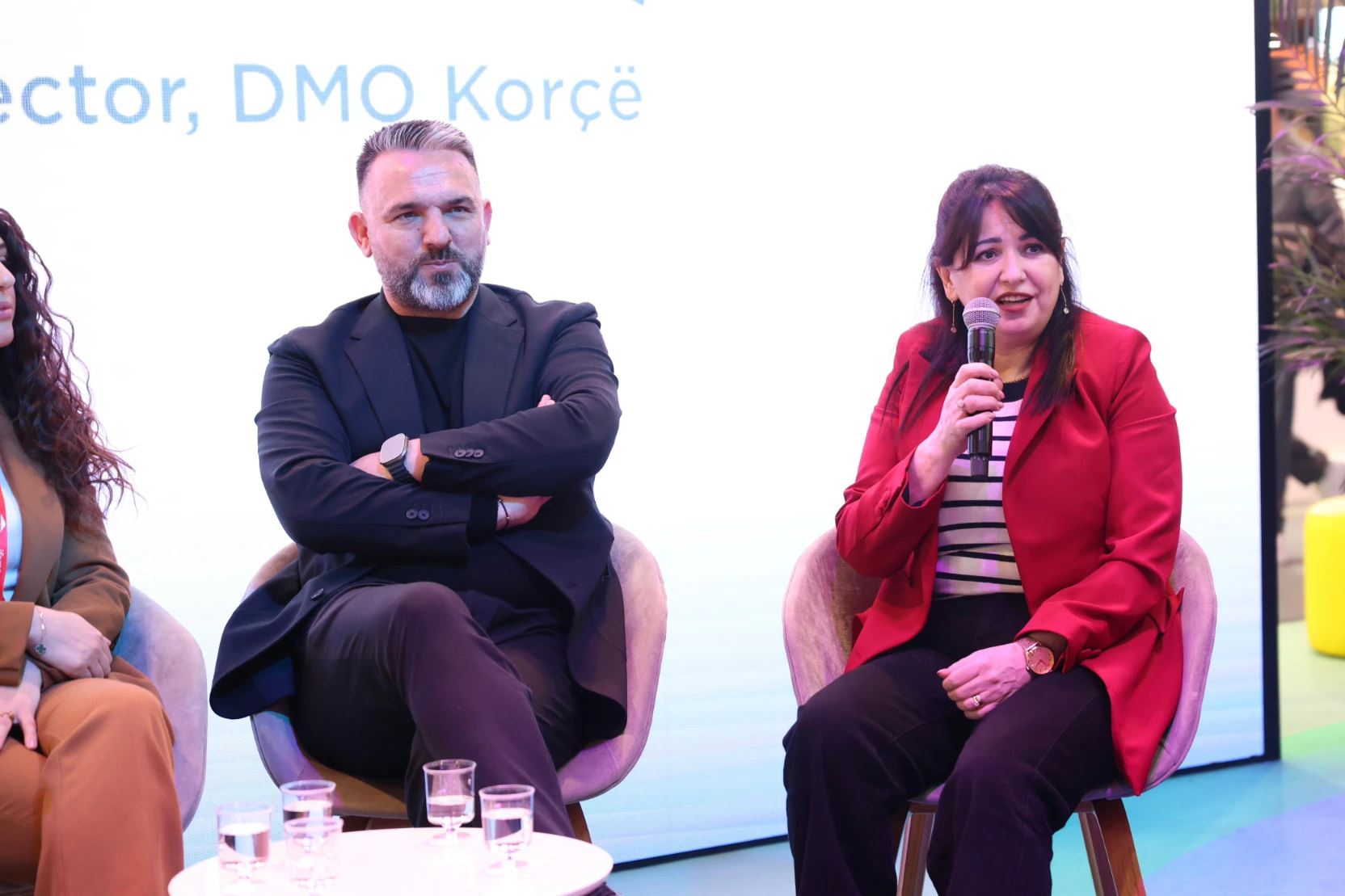
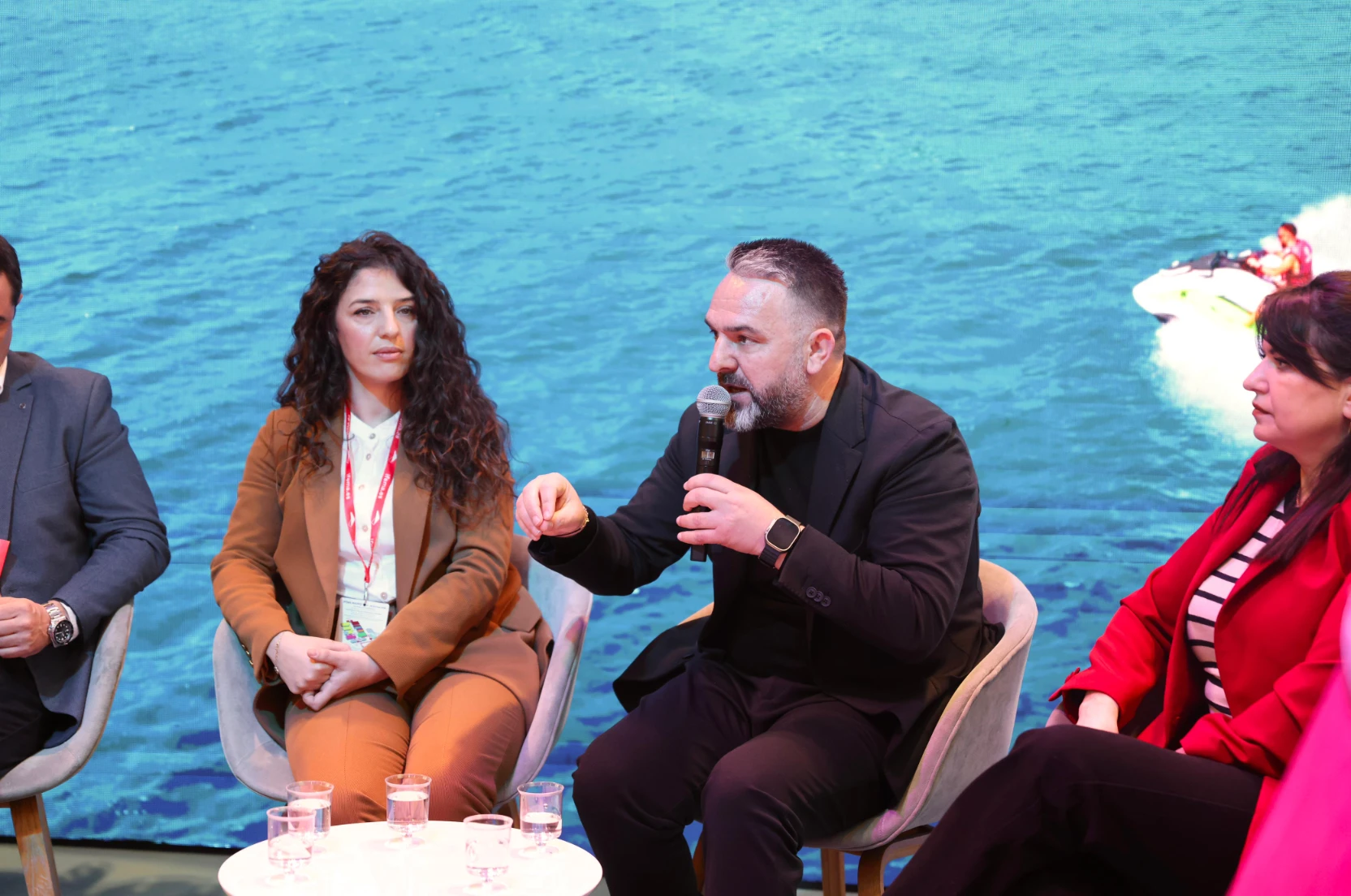
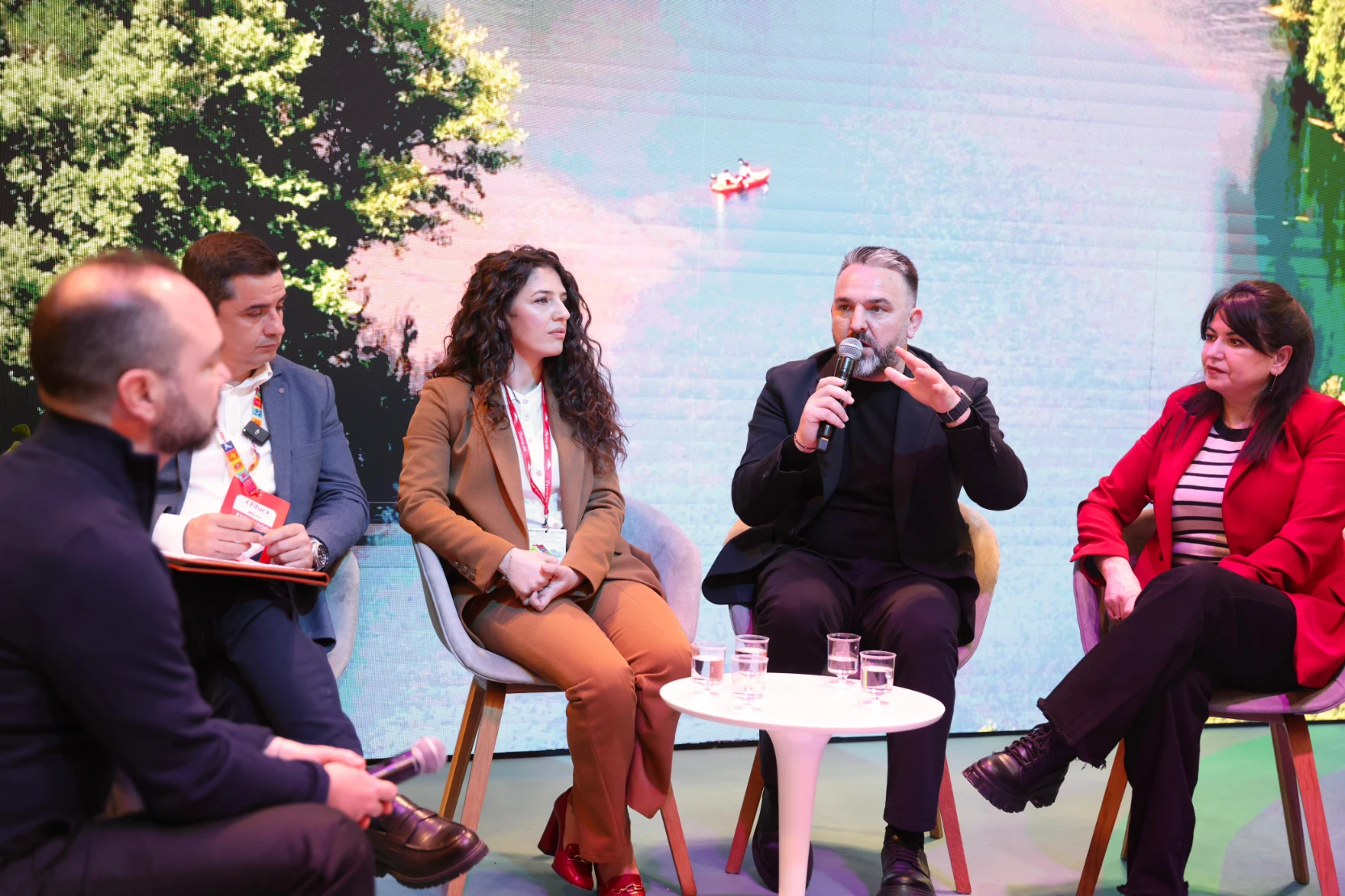
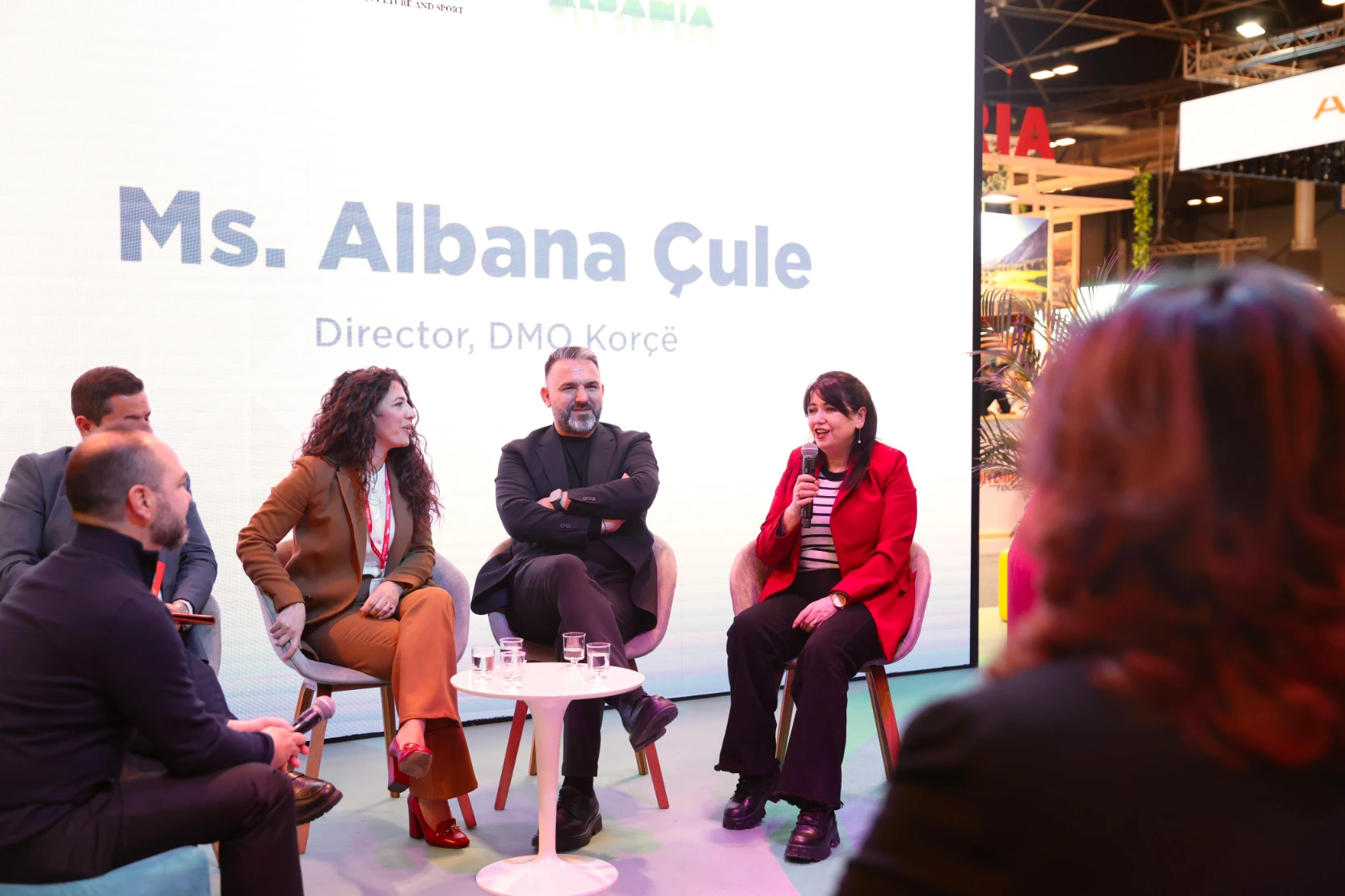
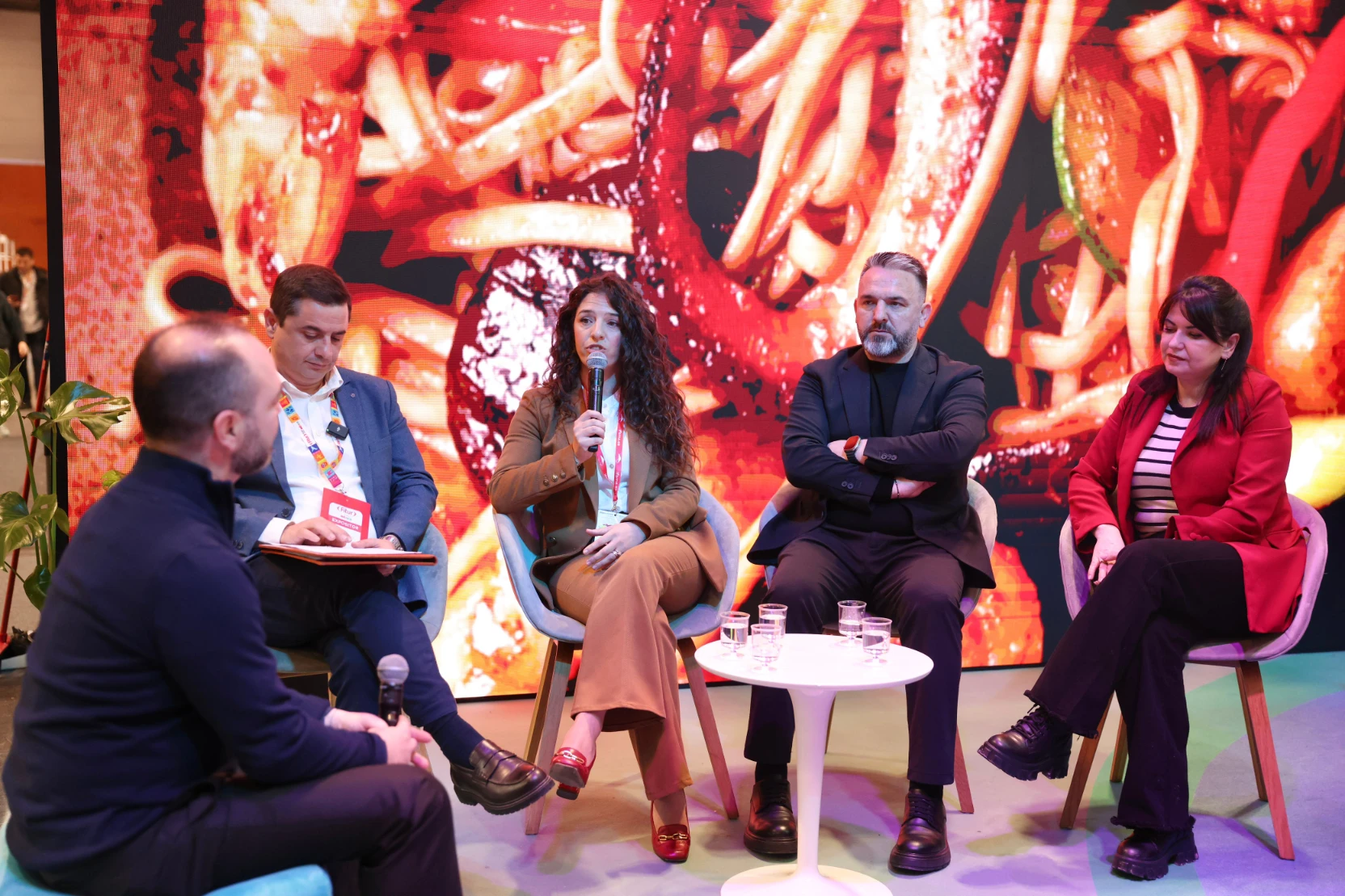
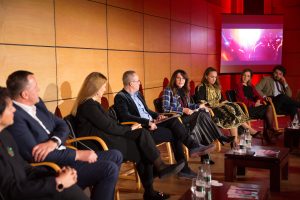
Në stendën “Albania All Senses” u zhvilluan panele diskutimi me fokus në zgjerimin e ofertës turistike përtej bregdetit, bashkëpunimin mesdhetar dhe rolin e kulturës, eventeve dhe industrive kreative në zhvillimin e turizmit të qëndrueshëm.
Diskutimet theksuan rëndësinë e diversifikimit të produkteve turistike; zhvillimit të turizmit rural dhe rajonal; përfshirjes aktive të komuniteteve locale dhe balancimin mes rritjes dhe ruajtjes së identitetit kulturor.
Një vëmendje e veçantë iu kushtua qëndrueshmërisë dhe përgjegjësisë si avantazh konkurrues për turizmin shqiptar, duke e parë këtë qasje jo si trend, por si domosdoshmëri afatgjatë.
Interes në rritje dhe vlerësim ndërkombëtar
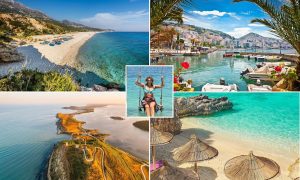
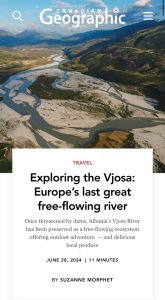
Prania e Shqipërisë në FITUR u shoqërua me jehonë mediatike pozitive, përfshirë një artikull nga e përditshmja spanjolle La Razón, e cila e cilësoi Shqipërinë si një nga surprizat më të bukura të Mesdheut.
Gjatë vitit 2025, mbi 110.000 turistë spanjollë vizituan Shqipërinë, ndërsa synimi është rritja e mëtejshme e këtij fluksi përmes zgjerimit të lidhjeve ajrore, forcimit të promovimit ndërkombëtar dhe krijimit të përvojave autentike që kombinojnë natyrën, kulturën dhe mikpritjen.
Takime strategjike dhe partneritete të reja
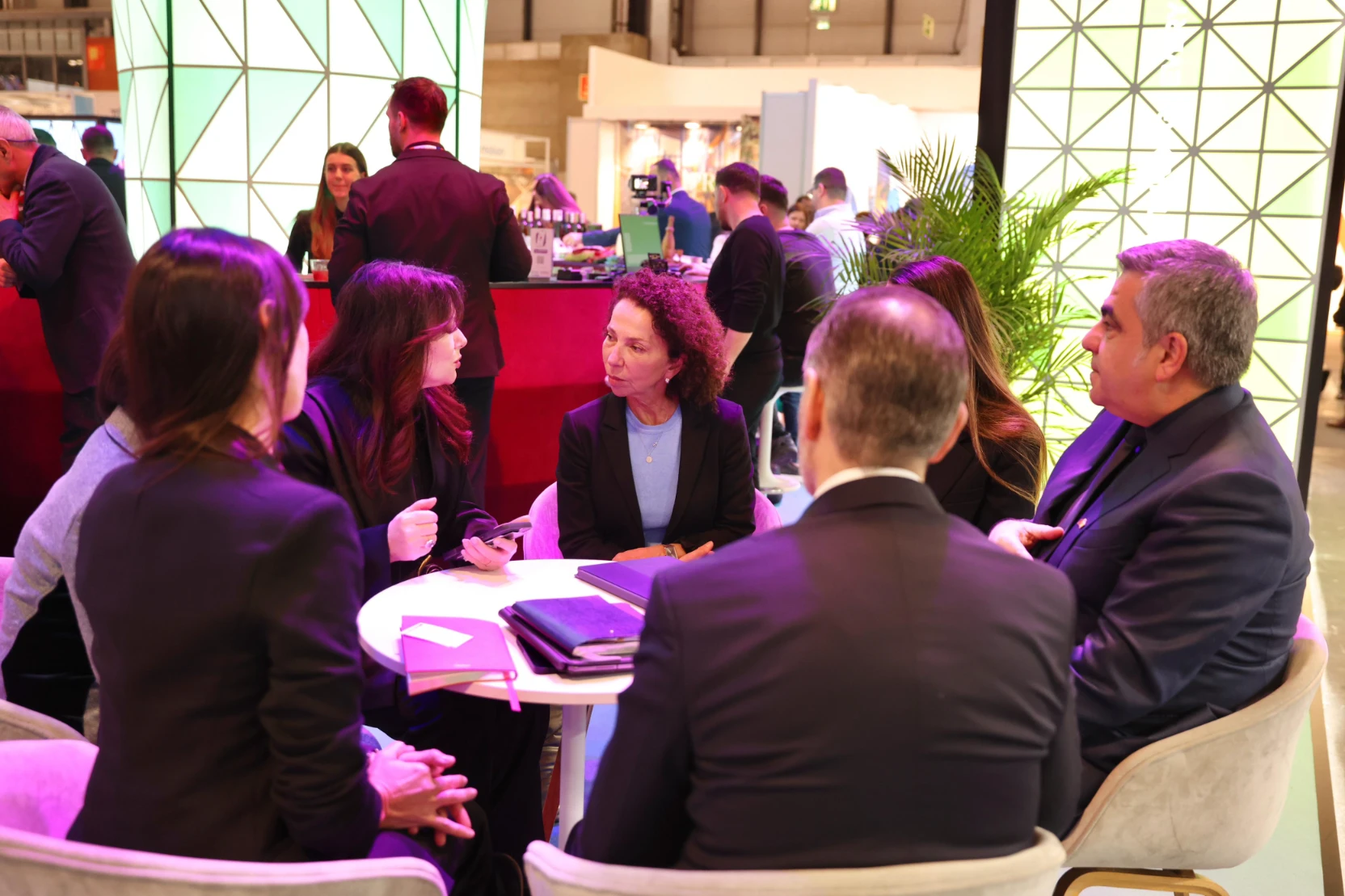
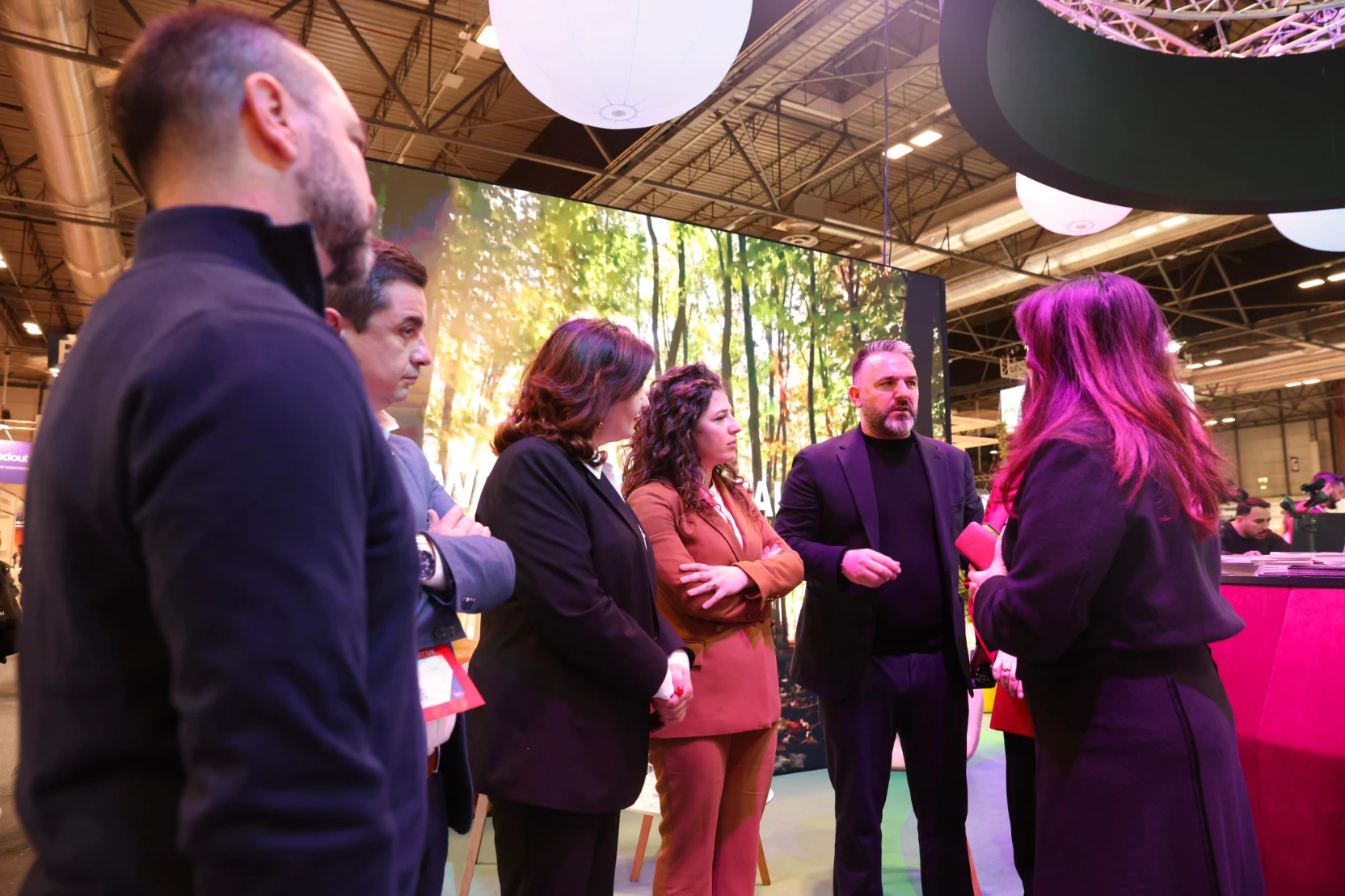
Gjatë zhvillimit të Panairit Ndërkombëtar të Turizmit FITUR 2026 në Madrid,u realizuan një sërë takimesh bilaterale dhe profesionale me përfaqësues të kompanive të mëdha ndërkombëtare të turizmit, linja ajrore, grupe hotelerie, investitorë dhe ekspertë të marketingut global.
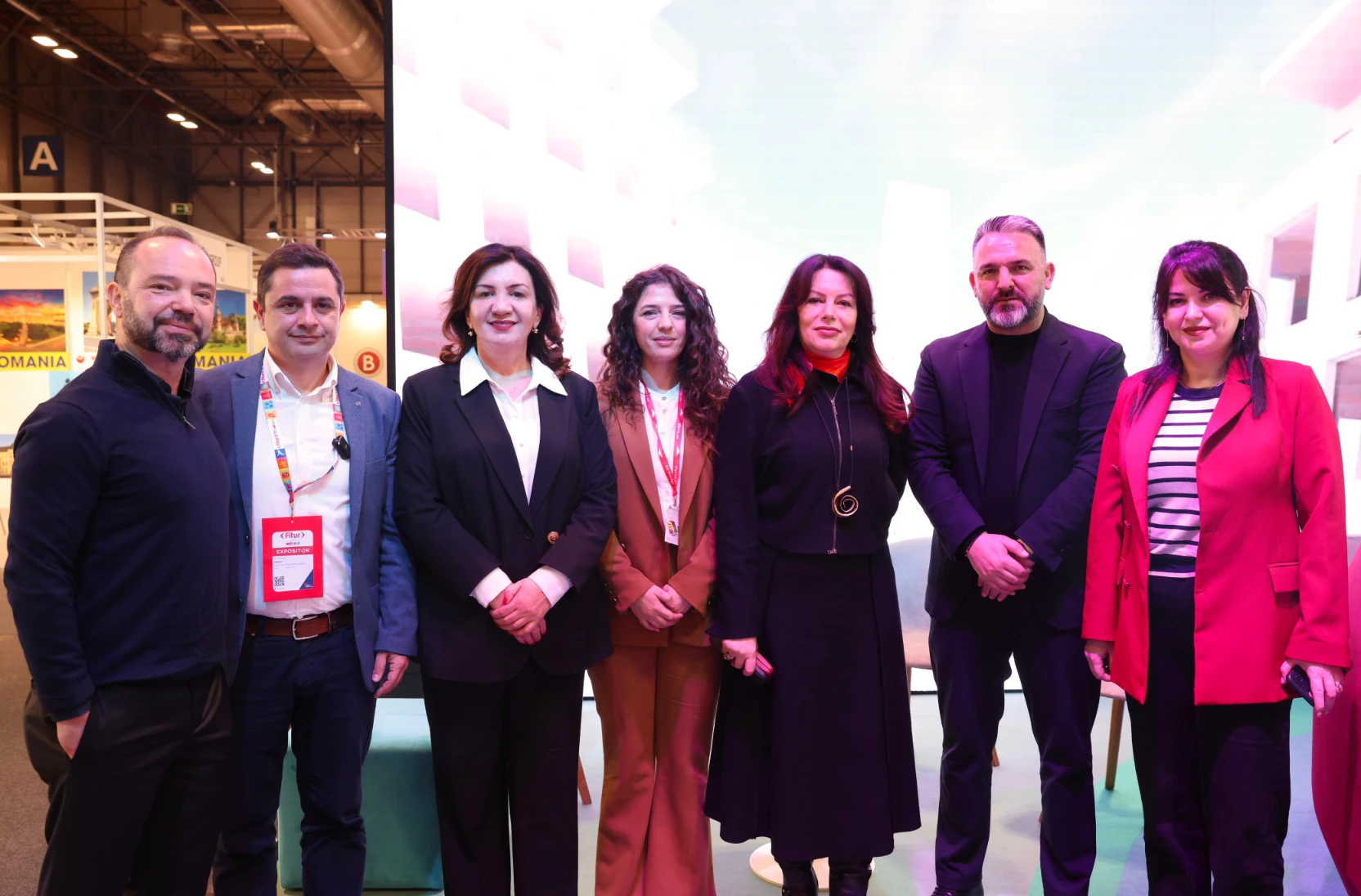
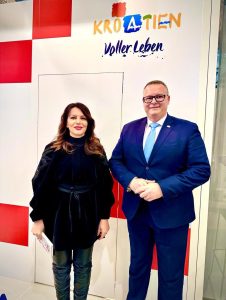
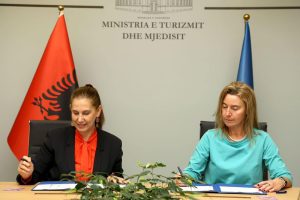
Ministri i Turizmit, Kulturës dhe Sporteve z.Blendi Gonxhja zhvilloi takime të rëndësishme me homologë dhe partnerë ndërkombëtarë në kuadër të forcimit të bashkëpunimit ndërinstitucional dhe shkëmbimit të praktikave më të mira. Po ashtu edhe takime profesionale të fokusuara në mundësitë e investimeve strategjike, strukturimin e projekteve turistike, partneritete afatgjata dhe interesin konkret për tregun shqiptar.
Drejtoresha e Përgjithshme e Agjencisë Kombëtare të Turizmit, Znj. Zana Çela, zhvilloi takime zyrtare dhe profesionale me përfaqësues të nivelit të lartë institucional dhe drejtues të kompanive kryesore ndërkombëtare të turizmit, investimeve dhe marketingut. Këto takime u fokusuan në forcimin e bashkëpunimit ndërkombëtar, shkëmbimin e praktikave më të mira në promovimin, menaxhimin e destinacioneve dhe rritjen e prezencës së Shqipërisë në tregjet strategjike të turizmit.
Në kuadër të këtyre takimeve, u diskutuan mundësi konkrete për partneritete afatgjata, zgjerimin e lidhjeve ajrore, zhvillimin e investimeve strategjike dhe promovimin e turizmit të qëndrueshëm dhe cilësor. Interesi i shprehur nga aktorë të rëndësishëm të industrisë ndërkombëtare konfirmon konsolidimin e Shqipërisë si një destinacion konkurrues dhe autentik, si dhe angazhimin e Agjencisë Kombëtare të Turizmit për ta pozicionuar vendin tonë në nivelet më të larta të industrisë globale të udhëtimeve.
Inovacion dhe digjitalizim në shërbim të turizmit
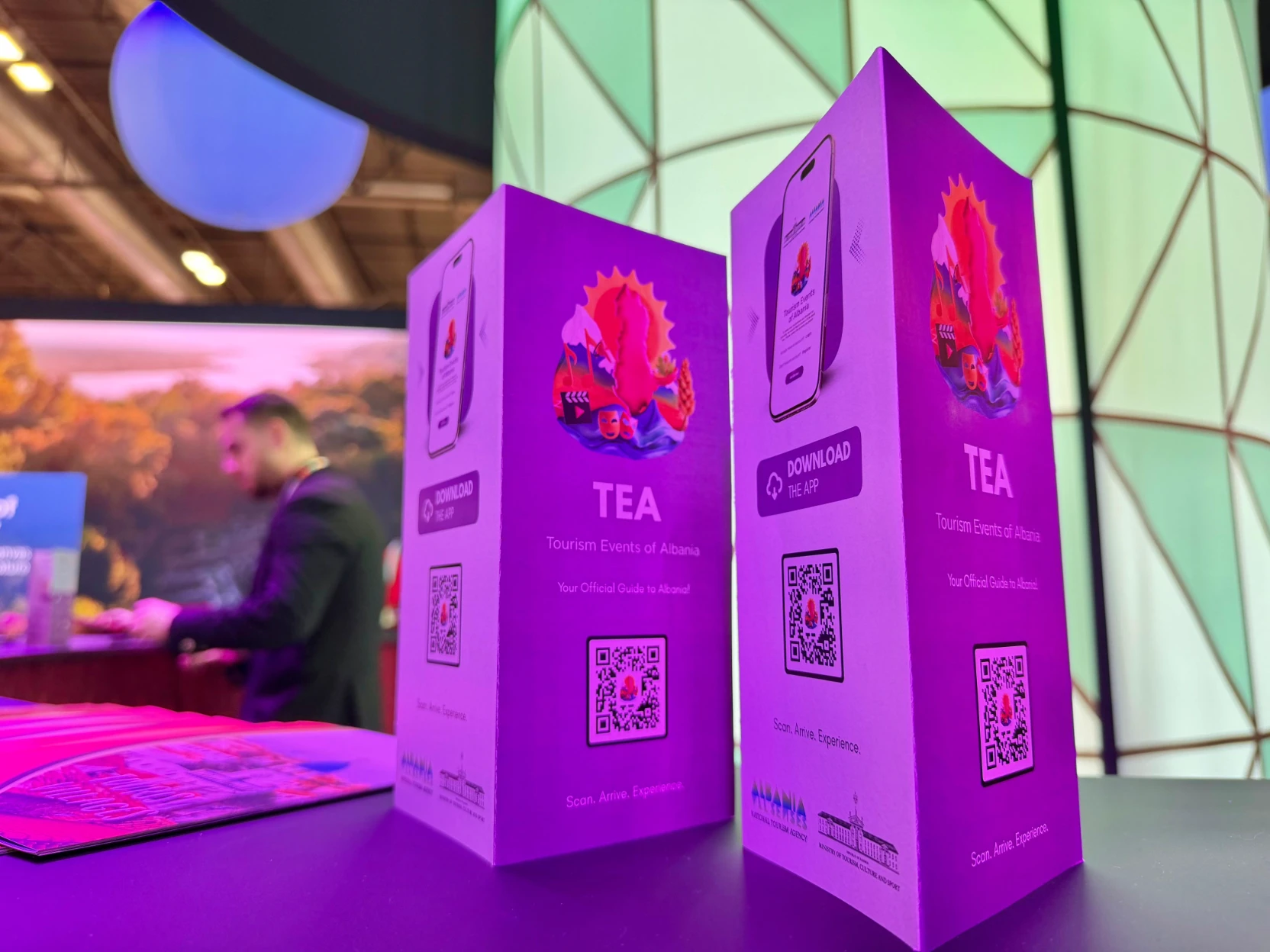
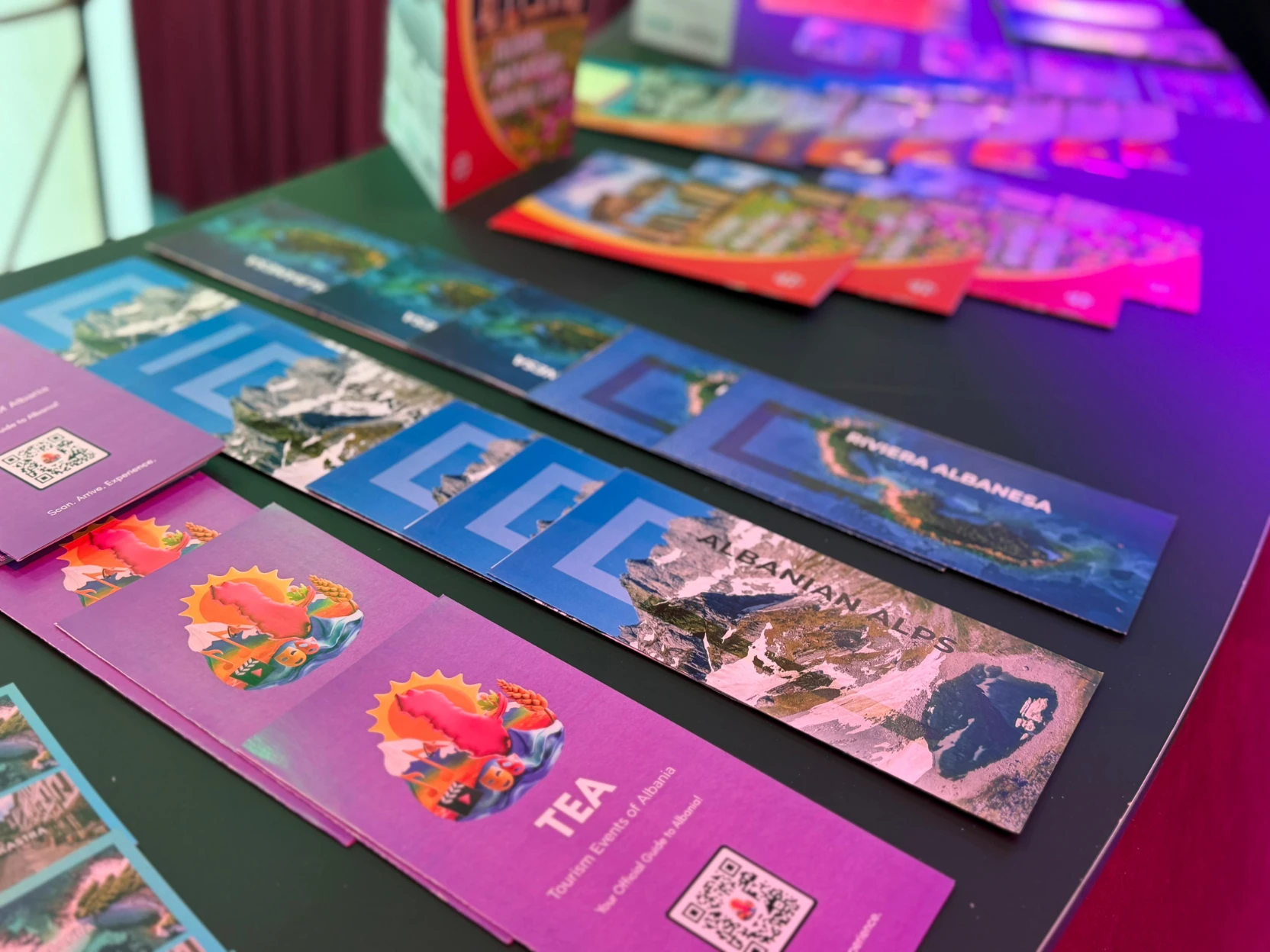
Një moment i veçantë ishte prezantimi i aplikacionit TEA – Udhërrëfyesi Digjital 360° i Shqipërisë Turistike, i cili ofron informacion mbi destinacionet, eventet, kulturën dhe aktivitetet gjatë gjithë vitit. Interesi i lartë dhe mbi 5.000 shkarkime nga Spanja konfirmojnë nevojën dhe vlerën e zgjidhjeve digjitale në promovimin modern të destinacionit.
Shqipëria – mikpritje, identitet dhe vizion
Përgjatë gjithë ditëve të FITUR 2026, stenda shqiptare u karakterizua nga energjia, bashkëpunimi dhe përkushtimi i institucioneve, bashkive, partnerëve, operatorëve turistikë dhe përfaqësuesve shqiptarë në Spanjë, të bashkuar nga një qëllim i përbashkët: promovimi i Shqipërisë si një destinacion i sigurt, i hapur dhe mikpritës.
Shqipëria, një vend që respekton traditën, investon në cilësi dhe shikon nga e ardhmja me besim është një destinacion që mirëpret miqtë me zemër dhe u ofron përvoja të paharrueshme, 365 ditë në vit.